Case Study: Successful Eco-Friendly Landscaping Projects in Detroit


Introduction to Eco-Friendly Landscaping
In recent years, eco-friendly landscaping has gained traction as an innovative approach to sustainable urban development. Detroit, a city known for its resilience and transformation, has become a hub for successful green projects. These initiatives not only beautify the environment but also promote biodiversity and reduce carbon footprints.
Eco-friendly landscaping involves using native plants, conserving water, and minimizing chemical use. These practices contribute to a healthier ecosystem and a more sustainable future for urban areas like Detroit.

Project Spotlight: Community Gardens
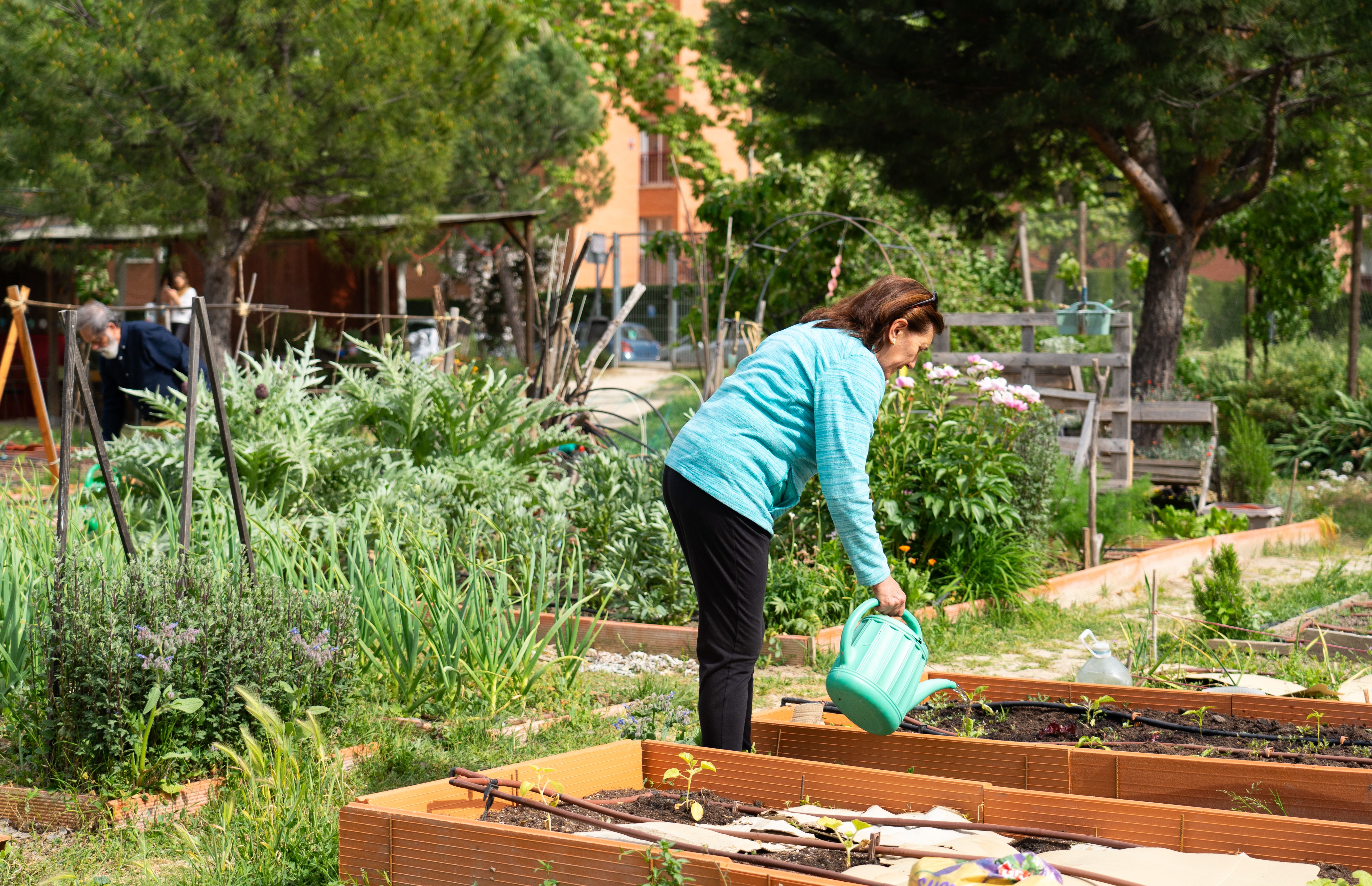
One of the most impactful eco-friendly landscaping efforts in Detroit is the establishment of community gardens. These gardens serve as green oases in urban settings, providing a space for residents to grow their own produce and connect with nature.
The benefits of community gardens are numerous. They improve air quality, reduce urban heat, and offer educational opportunities for local schools. Residents gain access to fresh, organic produce, which promotes healthier eating habits.
Key Success Factors
Several factors contribute to the success of these projects in Detroit:
- Community Involvement: Engaging local residents ensures that the gardens meet community needs and fosters a sense of ownership.
- Partnerships: Collaborations with local organizations and businesses provide funding and resources necessary for development.
- Education: Workshops and classes educate residents on sustainable practices, ensuring long-term project sustainability.
Innovative Rooftop Gardens
Rooftop gardens represent another successful eco-friendly landscaping project in Detroit. These gardens transform unused rooftop spaces into vibrant green areas that offer numerous environmental benefits.
By utilizing rooftops, these gardens reduce energy costs through natural insulation and manage stormwater, reducing runoff and lessening the burden on the city's drainage systems.
Benefits of Rooftop Gardens
The advantages of rooftop gardens extend beyond environmental impact:
- Aesthetic Appeal: They enhance the visual appeal of urban areas, making them more attractive to residents and visitors.
- Habitat Creation: These gardens create habitats for urban wildlife, promoting biodiversity.
- Community Spaces: Rooftop gardens offer unique spaces for community activities and relaxation.

Conclusion: The Future of Eco-Friendly Landscaping in Detroit
Detroit's eco-friendly landscaping projects demonstrate the city's commitment to sustainability and community well-being. As these projects continue to expand, they serve as a model for other urban areas looking to integrate green practices into their development strategies.
With continued support and innovation, Detroit is poised to become a leader in eco-friendly urban transformation, paving the way for a greener, more sustainable future.