Detroit MI Grass Cutting: How to Maintain a Perfect Lawn


Understanding Your Lawn
Maintaining a perfect lawn in Detroit, MI, requires understanding the specific needs of your grass type. The climate in this region is characterized by cold winters and humid summers, which significantly affects grass growth. Most lawns in Detroit are made up of cool-season grasses like Kentucky bluegrass, fescue, and ryegrass. These grasses thrive in cooler temperatures, making the spring and fall ideal for maintenance.
Before diving into lawn care, identify the type of grass on your property. This knowledge will guide you in choosing the right maintenance practices and products. Cool-season grasses have different requirements than warm-season varieties, especially concerning mowing height and fertilization.

Mowing Techniques
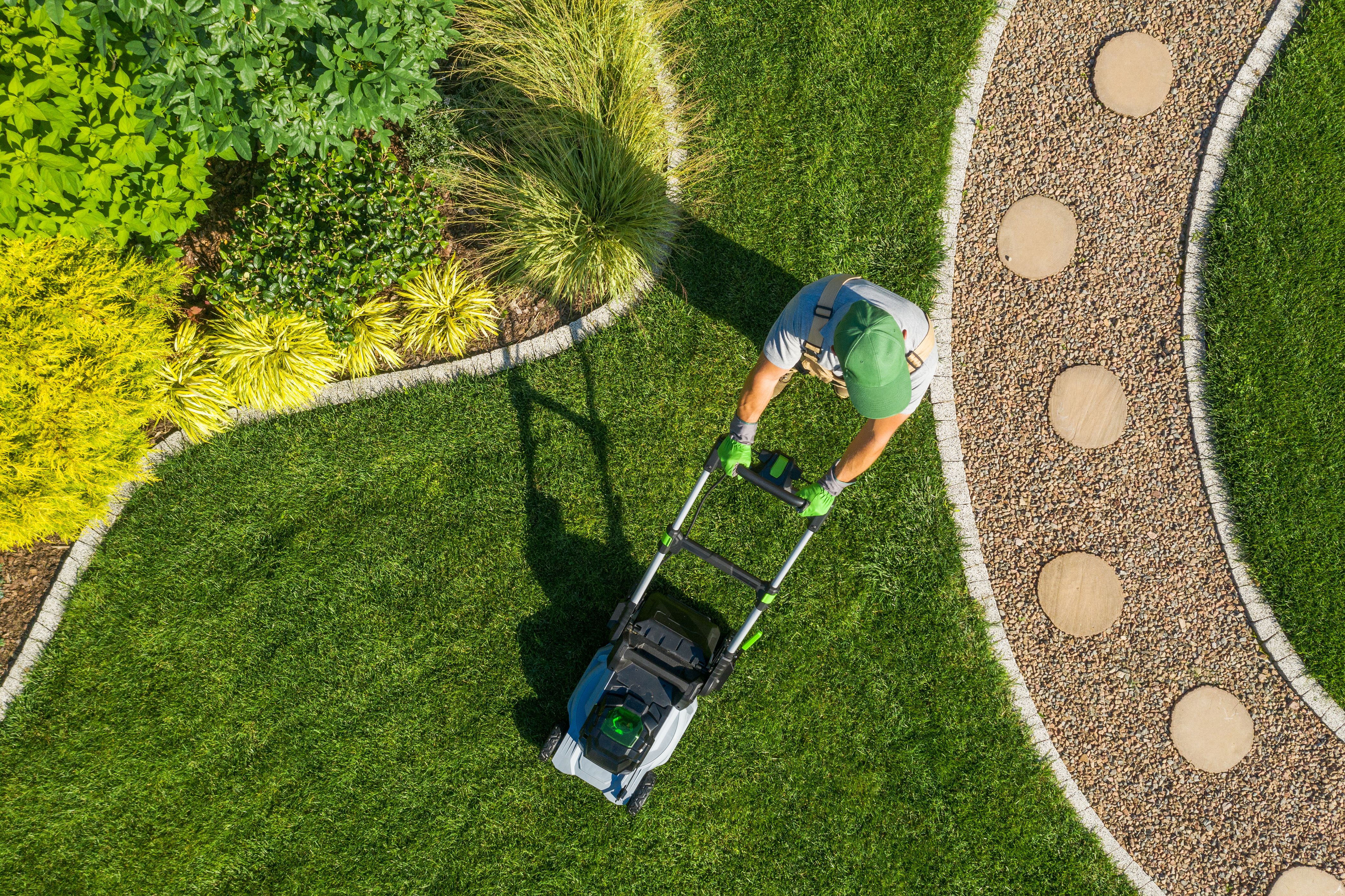
Proper mowing is essential for a healthy lawn. When cutting grass, adhere to the “one-third rule,” which means never cutting more than one-third of the grass blade at a time. This practice prevents stress on the grass and promotes deeper root growth.
Set your mower blades to the correct height. For most cool-season grasses, a height of 2.5 to 3.5 inches is ideal. Maintaining this height prevents weed growth and helps retain moisture in the soil. Ensure your mower blades are sharp to avoid tearing the grass, which can lead to disease.
Mowing Frequency
The frequency of mowing depends on the growth rate of your grass. During peak growing seasons in spring and fall, you may need to mow weekly. In the summer, when growth slows down, mowing every two weeks might suffice. Regular mowing keeps your lawn neat and encourages healthy growth.
Watering Wisely
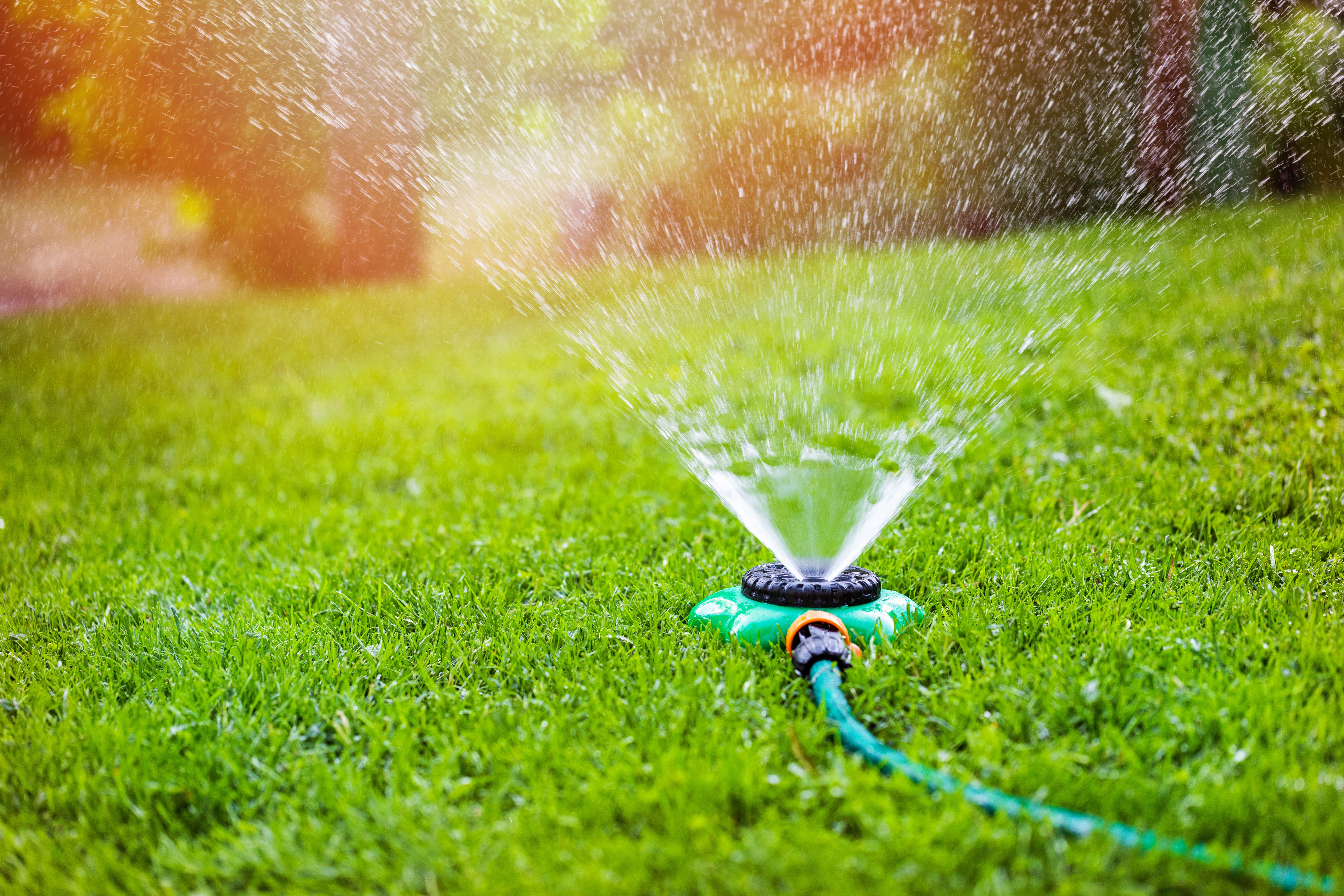
Detroit's climate can lead to dry spells in the summer, making proper watering crucial. Water your lawn early in the morning to minimize evaporation and fungal diseases. Deep watering once or twice a week encourages deeper root growth, which is more resilient to drought.
Avoid overwatering, which can lead to shallow root systems and fungal issues. Use a rain gauge or a moisture meter to monitor the water needs of your lawn accurately.
Fertilization and Soil Care
Fertilizing your lawn provides essential nutrients that promote lush, green growth. In Detroit, apply fertilizer in early spring and again in the fall. Choose a fertilizer with a balanced ratio of nitrogen, phosphorus, and potassium. Soil testing can help determine the specific nutrient needs of your lawn.
Besides fertilization, aerating your lawn annually can improve soil health. Aeration reduces soil compaction and allows air, water, and nutrients to penetrate the grassroots.
Dealing with Weeds and Pests
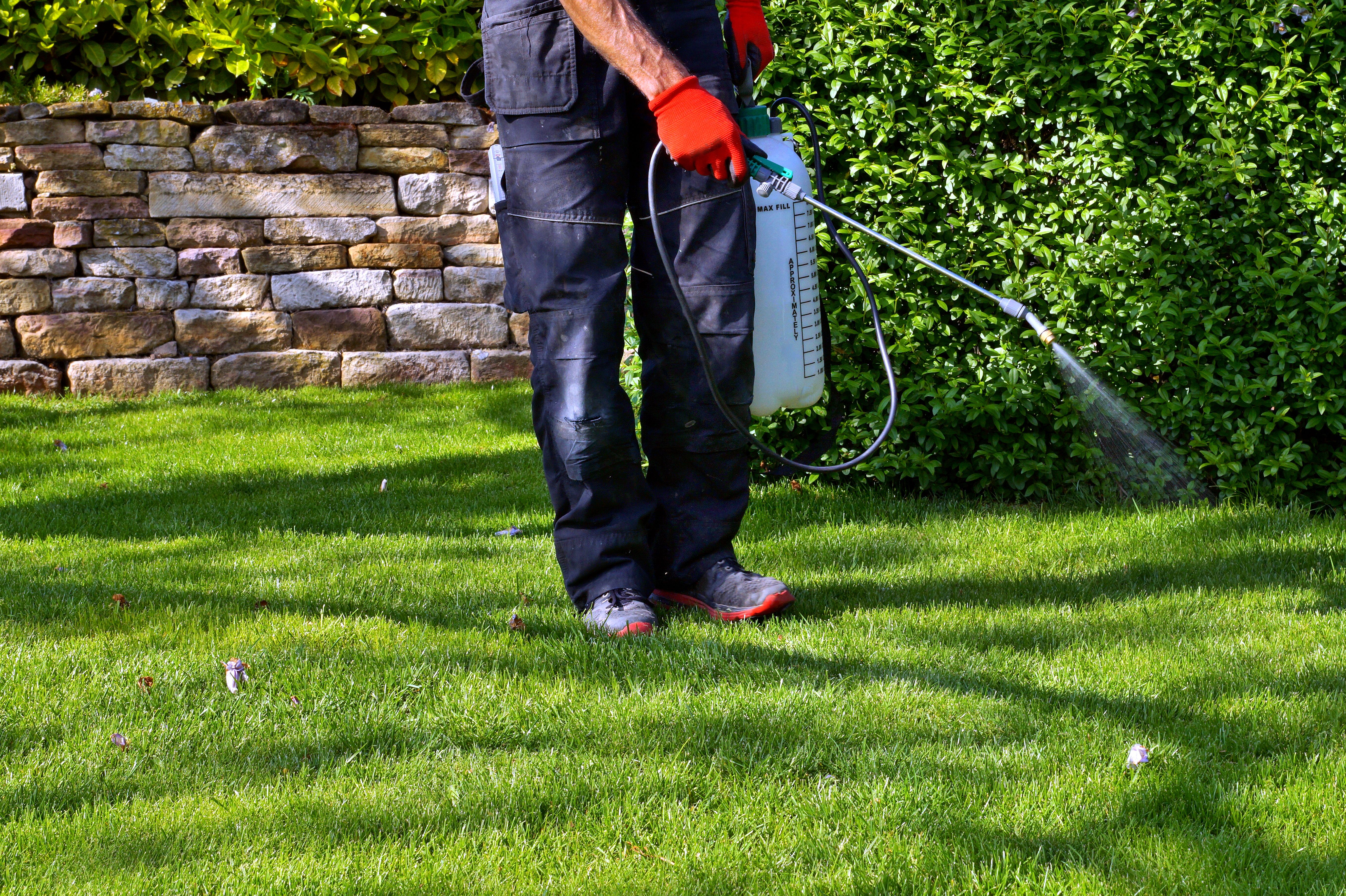
Weeds and pests can quickly ruin the appearance of your lawn. Implement a regular weed control program that uses both pre-emergent and post-emergent herbicides. Be cautious with chemical usage to avoid damaging your grass.
For pest control, monitor your lawn for signs of insects like grubs and chinch bugs. Natural predators, beneficial nematodes, and appropriate insecticides can help manage pest populations without harming the grass.
Seasonal Lawn Care Tips
Each season brings different challenges for your lawn. In the spring, focus on cleaning up debris and dethatching. Summer requires diligent watering and monitoring for pests. Fall is the time for aeration, overseeding, and applying winterizing fertilizer to prepare your lawn for the cold months.
By following these seasonal tips and maintaining consistent care, you can enjoy a lush, healthy lawn that enhances the beauty of your Detroit home year-round.