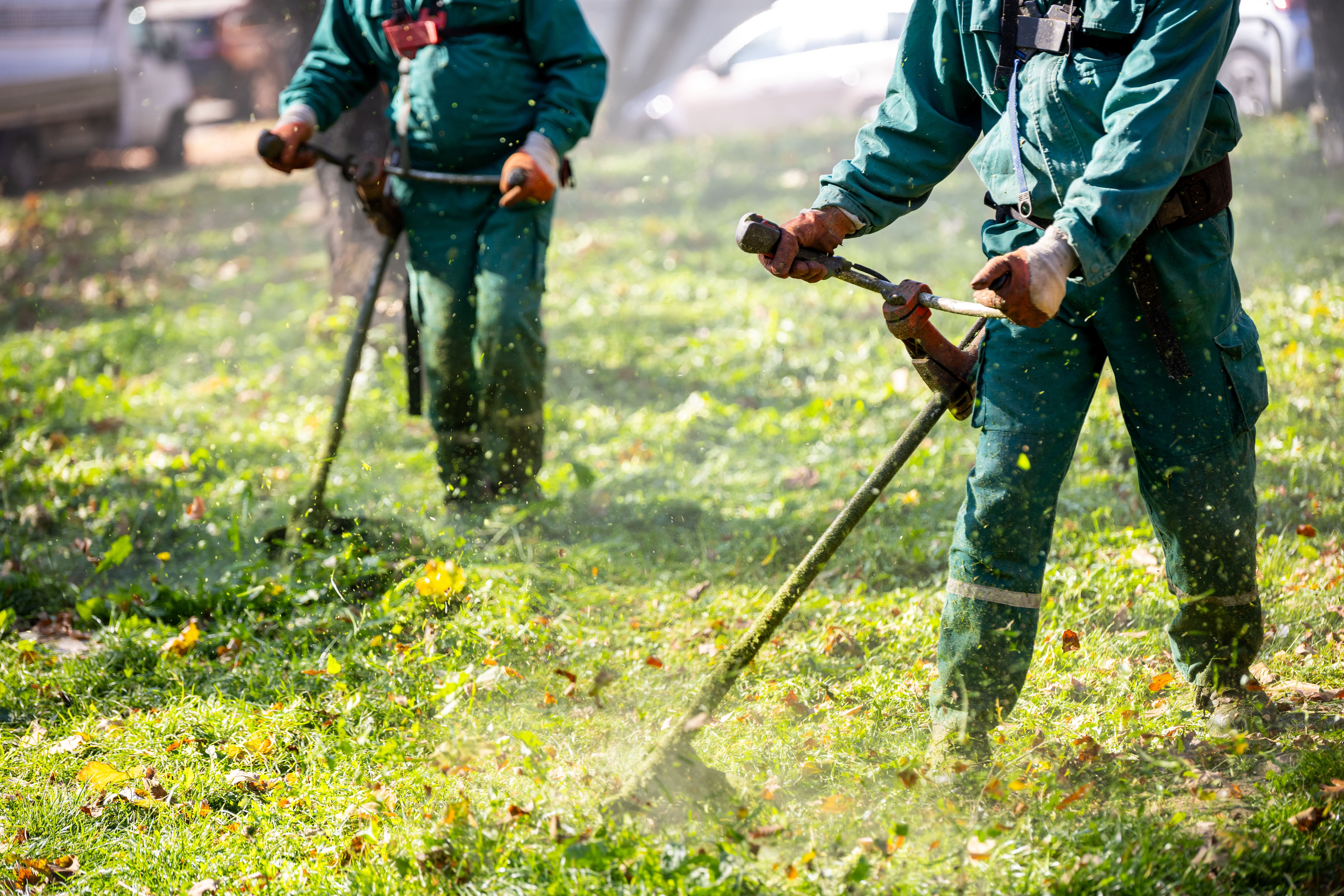
DIY Lawn Maintenance: How to Keep Your Grass Lush and Green


Understanding Your Lawn
Maintaining a lush, green lawn doesn't have to be a daunting task. With a little knowledge and some DIY spirit, anyone can transform their yard into a personal oasis. Understanding your lawn's specific needs is the first step in effective maintenance. This involves knowing the type of grass you have, the climate you live in, and the soil conditions.
Different grass types require different care. For example, cool-season grasses thrive in northern climates, while warm-season grasses are more suited to southern regions. Identifying your grass type will help you tailor your maintenance efforts effectively.
Soil Testing and Preparation
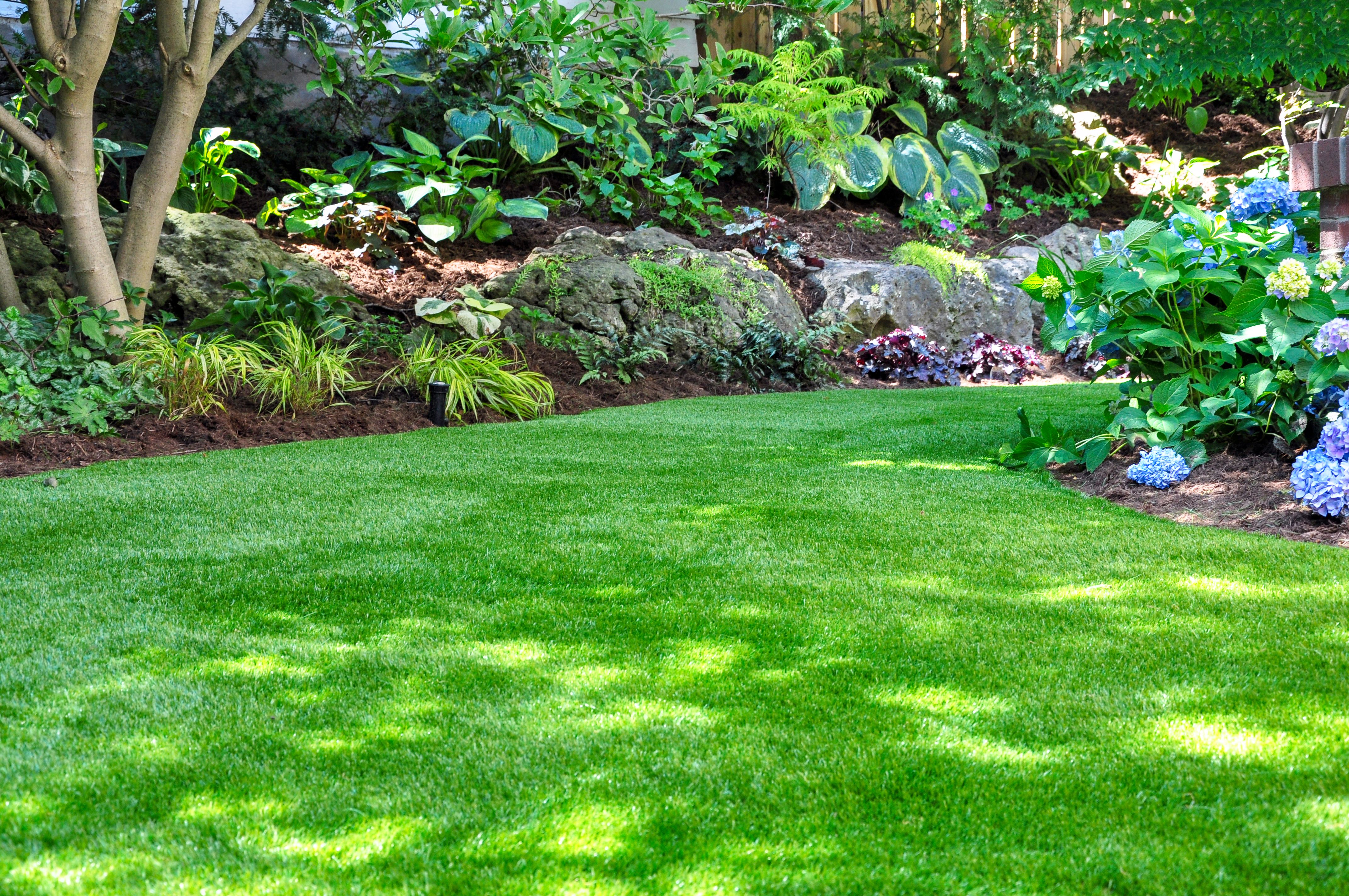
Before diving into lawn care, it's crucial to test your soil. A soil test will provide insights into pH levels and nutrient deficiencies, allowing you to make informed decisions. Most garden centers offer affordable soil testing kits.
Once you have your results, you can take steps to amend the soil. Adding lime can raise the pH, while sulfur can lower it. Fertilizers rich in nitrogen, phosphorus, and potassium will address nutrient deficiencies, promoting healthy grass growth.
Mowing and Watering Techniques
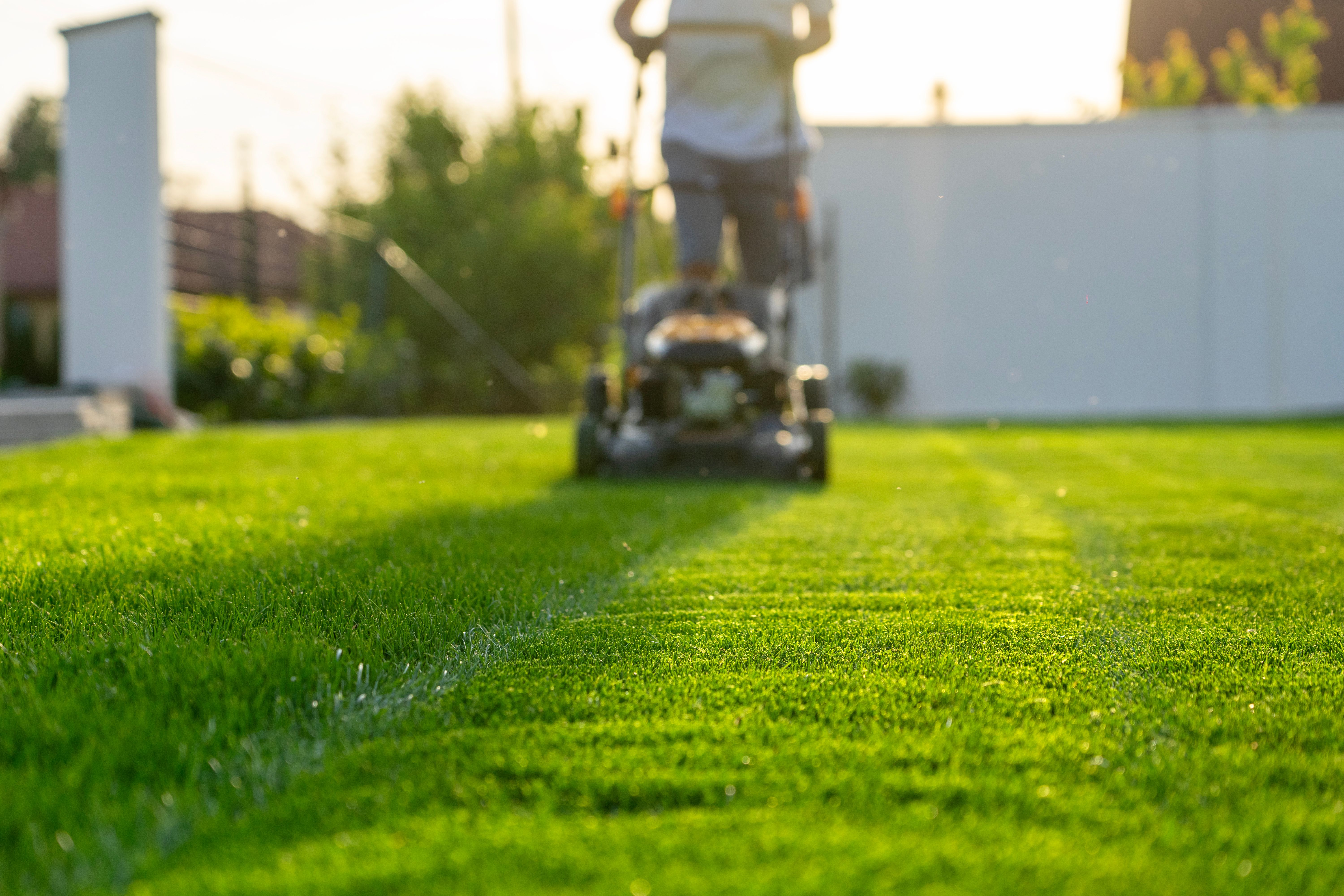
Proper mowing is essential for a healthy lawn. Aim to cut no more than one-third of the grass height at a time to avoid stressing the plants. Keeping your mower blades sharp will ensure clean cuts and prevent tearing.
Watering is another critical factor. Most lawns require about one inch of water per week, either from rainfall or irrigation. Early morning is the best time to water, as it minimizes evaporation and fungal growth.
Fertilization and Weed Control
Regular fertilization keeps your lawn lush and vibrant. A balanced fertilizer applied in spring and fall will support strong root development and lush growth. Be sure to follow the instructions on the package to avoid over-fertilizing.
Weeds can be a persistent problem, but they can be managed with a little effort. Hand-pulling or applying a pre-emergent herbicide in early spring will keep weeds at bay.
Pest and Disease Management
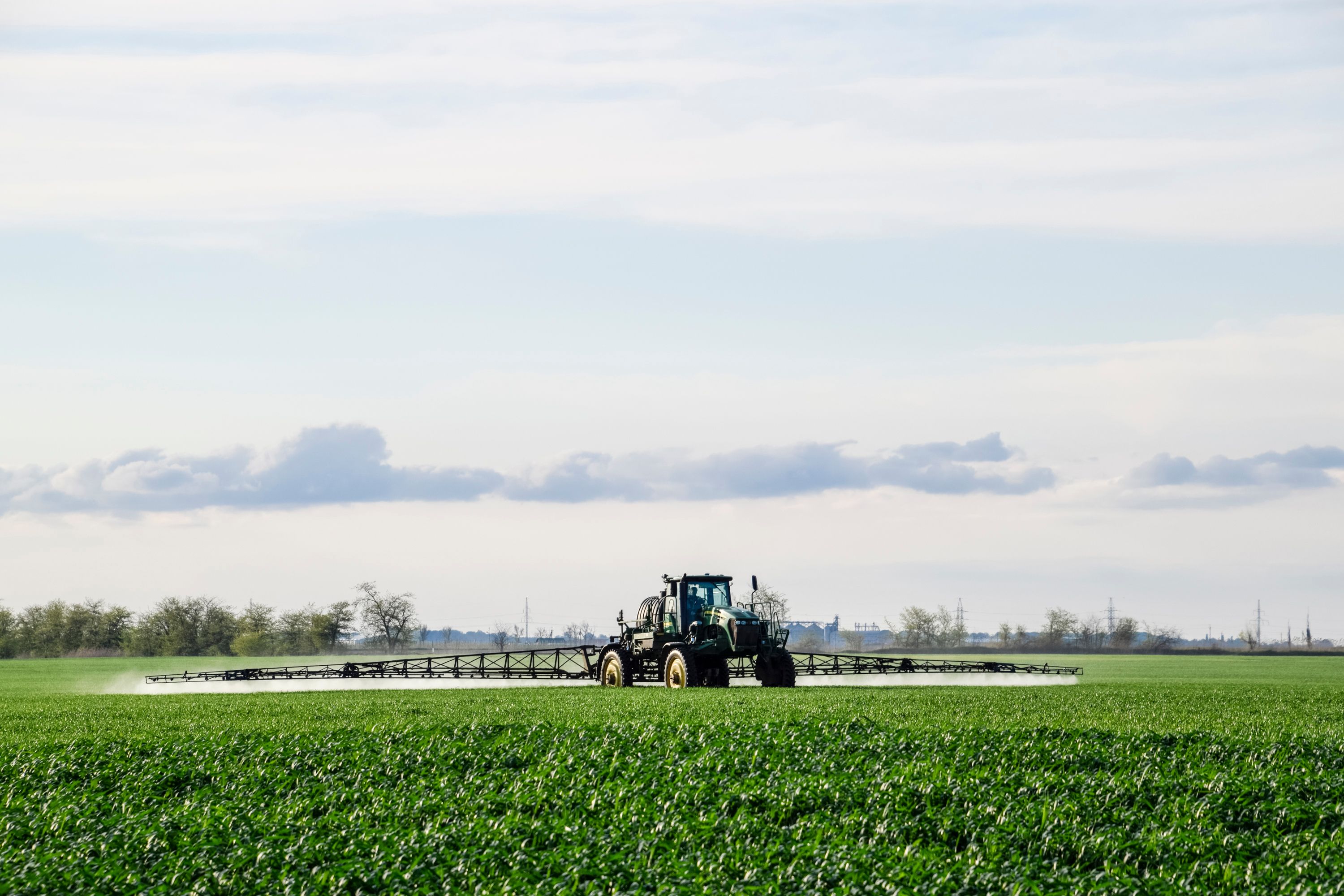
Keeping an eye out for pests and diseases is important for maintaining a healthy lawn. Common lawn pests include grubs and chinch bugs, which can cause significant damage if left unchecked.
Natural remedies like neem oil or introducing beneficial insects can help manage pest populations without resorting to harsh chemicals. For diseases, maintaining good lawn hygiene and proper watering practices can prevent most issues.
Seasonal Maintenance Tips
Each season requires different lawn care strategies. In the spring, focus on cleaning up debris and aerating the soil. Summer is about consistent mowing and watering, while fall is the time for fertilization and overseeding. Winter preparation involves clearing leaves and minimizing foot traffic on the grass.
By understanding and implementing these seasonal tips, you can ensure your lawn remains healthy year-round, providing a beautiful and functional outdoor space for your enjoyment.