Expert Insights: The Future of Sustainable Landscaping


The Rise of Eco-Friendly Practices
As the world becomes more environmentally conscious, the landscaping industry is evolving to embrace sustainable practices. This shift is not just a trend but a necessary step towards preserving our planet's resources. Sustainable landscaping focuses on creating beautiful outdoor spaces that are in harmony with the environment.
Key elements of sustainable landscaping include the use of native plants, efficient water management, and soil health improvement. By integrating these elements, landscapers can create eco-friendly environments that require less maintenance and are better for the ecosystem.

Water Conservation Techniques
One of the critical components of sustainable landscaping is water conservation. Landscapers are increasingly using methods like drip irrigation and rainwater harvesting to minimize water usage. These techniques ensure that plants receive adequate hydration without wasting precious resources.
Additionally, drought-resistant plants are gaining popularity. These plants thrive in low-water environments, reducing the need for frequent watering and helping to conserve water in regions prone to drought.
Incorporating Technology
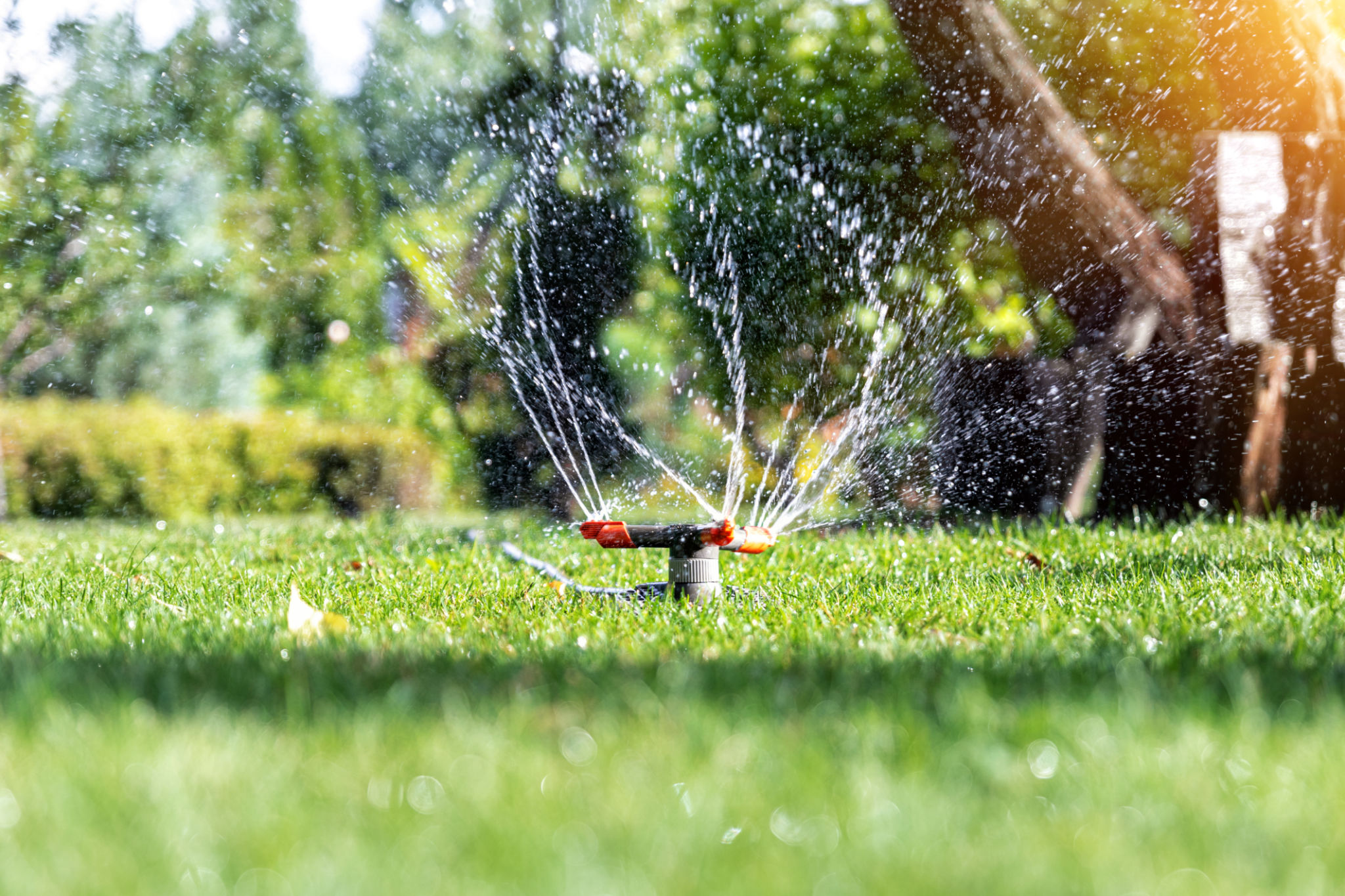
Technology is playing a significant role in the future of sustainable landscaping. Innovations such as smart irrigation systems and landscape design software are enabling landscapers to plan and maintain gardens more efficiently. These tools allow for precise water application and help monitor plant health, ensuring optimal growth conditions.
Soil Health and Biodiversity
Maintaining healthy soil is crucial for sustainable landscaping. Techniques such as composting and mulching enrich the soil, promoting plant growth and reducing the need for chemical fertilizers. Healthy soil supports biodiversity, encouraging a range of beneficial organisms that contribute to a balanced ecosystem.
Landscapers are also focusing on creating habitats for pollinators like bees and butterflies. By planting pollinator-friendly flowers, they help sustain these vital creatures, which play a crucial role in our food systems and natural ecosystems.
The Economic Benefits
Beyond environmental advantages, sustainable landscaping offers economic benefits. By reducing water and chemical use, homeowners and businesses can significantly lower their maintenance costs. Moreover, sustainable landscapes often increase property values by enhancing curb appeal and demonstrating a commitment to environmental responsibility.

Community and Education
As more communities recognize the value of sustainable landscaping, educational initiatives are emerging to promote these practices. Workshops and seminars are teaching individuals how to implement sustainable techniques in their own gardens, fostering a sense of community involvement and environmental stewardship.
By sharing knowledge and resources, communities can collectively contribute to a greener, more sustainable future.
Looking Ahead
The future of sustainable landscaping is bright, with ongoing innovations and a growing community of environmentally conscious individuals and businesses. As awareness continues to rise, the landscaping industry will play a pivotal role in shaping a more sustainable world.
By embracing these practices, we can create beautiful, functional, and eco-friendly spaces that benefit both people and the planet.