Expert Tips for Maintaining a Green Lawn in Detroit


Understanding Detroit's Climate
Maintaining a green lawn in Detroit requires understanding the unique climate conditions of the region. Detroit experiences a humid continental climate with hot summers and cold winters. This means your lawn care routine must adapt to seasonal changes to keep it thriving year-round.

Choosing the Right Grass Type
Selecting the appropriate grass type is crucial for a lush lawn. Cool-season grasses like Kentucky Bluegrass, Perennial Ryegrass, and Fine Fescue are excellent choices for Detroit's climate. These grasses thrive in cooler temperatures and can withstand the cold winters.
Ensure you're purchasing high-quality seeds from reputable sources. This investment will pay off with a healthier lawn that requires less maintenance over time.
Watering Wisely
Watering plays a vital role in lawn care. In Detroit, aim to water your lawn early in the morning to minimize evaporation. During peak summer months, your lawn will need about 1 to 1.5 inches of water per week, including rainfall.
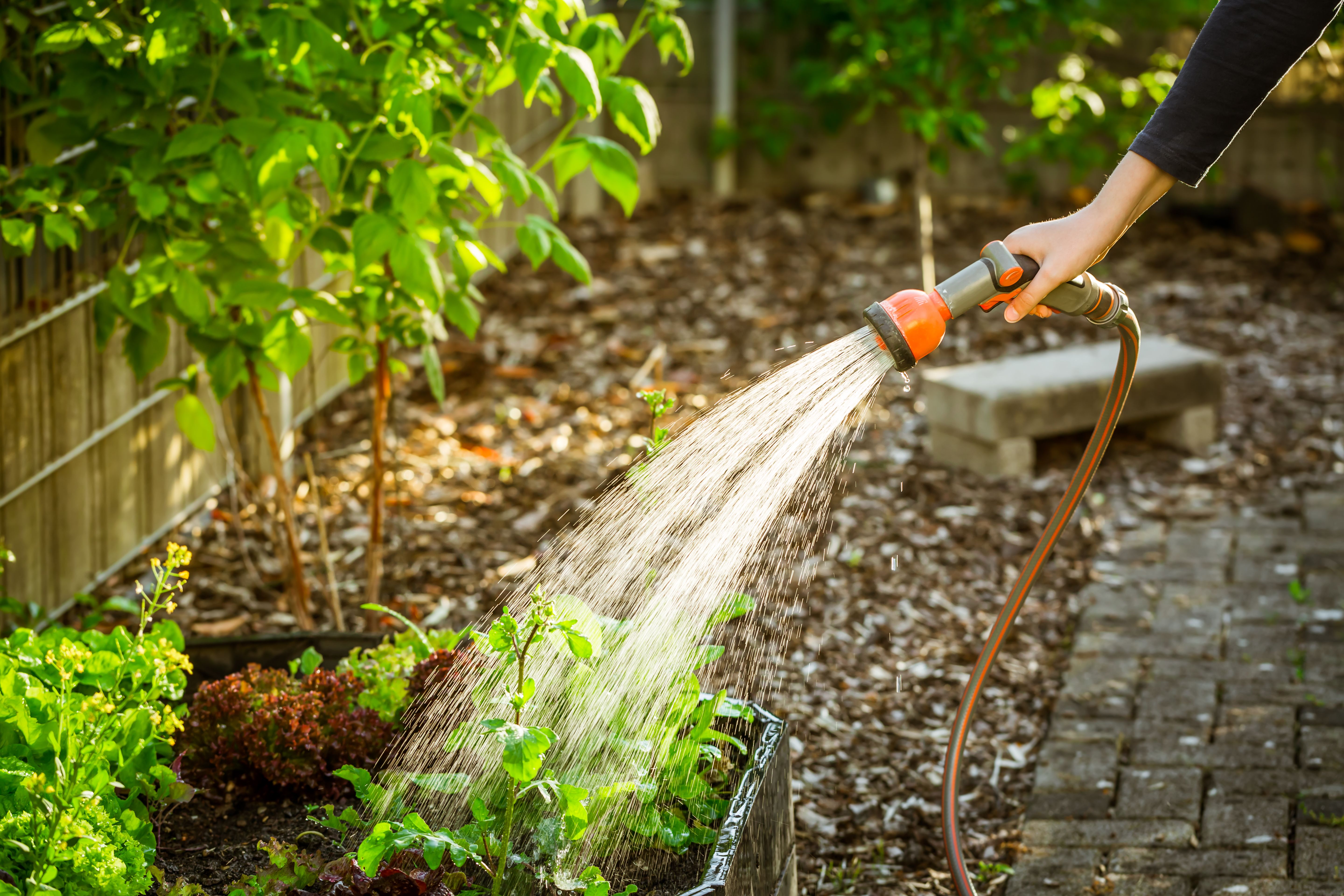
Install a rain gauge to monitor natural rainfall and adjust your watering schedule accordingly. Overwatering can lead to fungal diseases, so it's essential to find the perfect balance.
Effective Mowing Practices
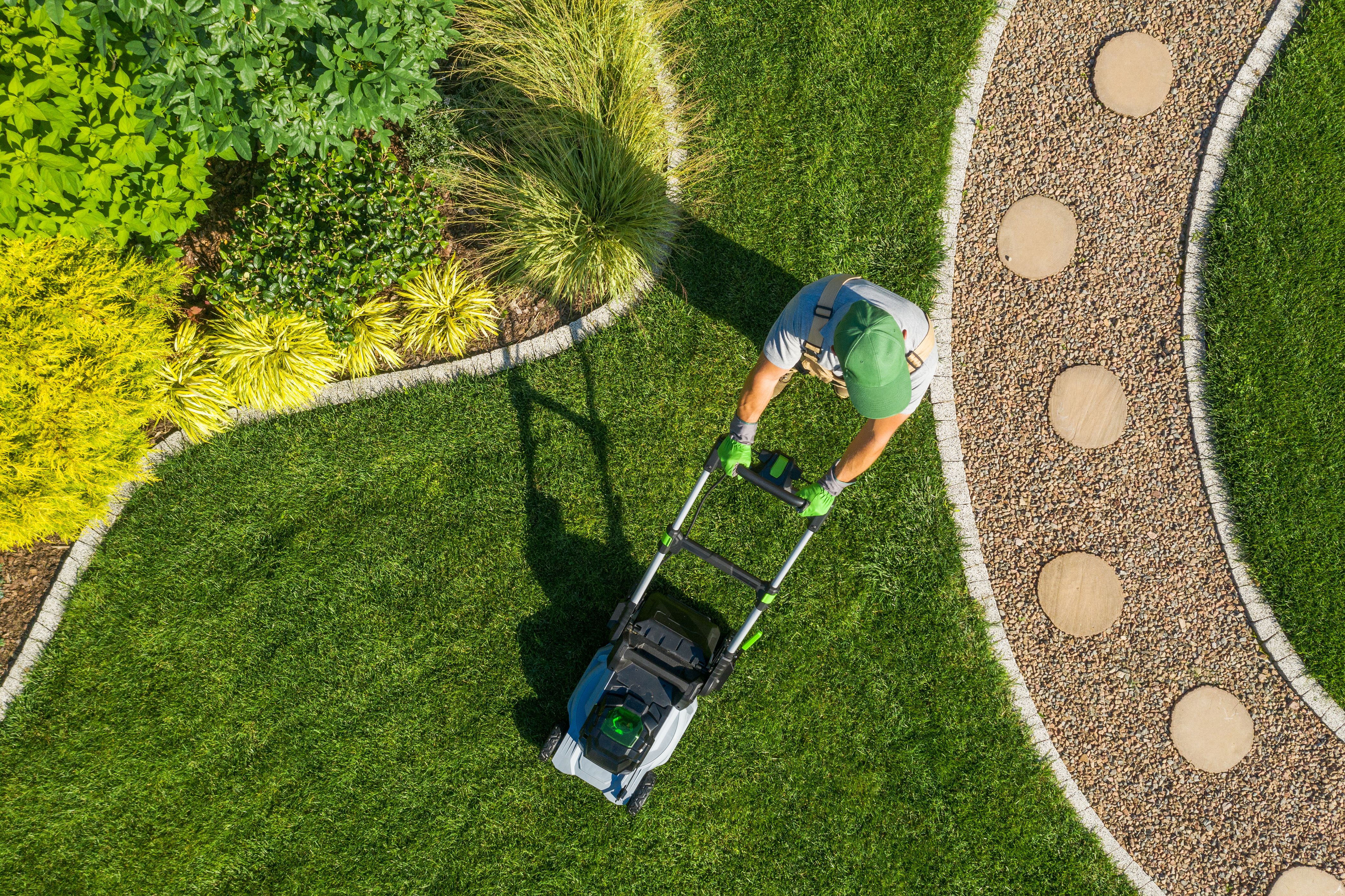
Mowing correctly can make a significant difference in your lawn's health. Set your mower blades to a height of about 3 inches. This height helps shade the soil, reduce water evaporation, and prevent weed growth.
- Mow regularly, avoiding cutting more than one-third of the grass blade at a time.
- Keep your mower blades sharp to ensure clean cuts and prevent tearing the grass.
Fertilizing for a Healthy Lawn
Fertilization is essential for providing the nutrients your grass needs to grow strong and healthy. In Detroit, consider fertilizing in late spring and early fall. Use a slow-release fertilizer to provide a steady supply of nutrients over time.
Be mindful of the nitrogen levels in your fertilizer. Too much nitrogen can lead to excessive growth and increased mowing frequency.
Dealing with Weeds and Pests
Weeds and pests can be a nuisance in any lawn. Regularly inspect your lawn for signs of weed growth or pest infestations. Use organic or chemical treatments as needed, focusing on targeted applications to minimize environmental impact.
Maintaining healthy grass through proper mowing, watering, and fertilization will naturally reduce weed and pest problems, as a strong lawn can outcompete these invaders.
Preparing for Winter
As winter approaches, it's important to prepare your lawn for the cold months ahead. Rake up fallen leaves to prevent smothering the grass, and consider applying a winterizing fertilizer to strengthen grass roots.
By taking these proactive steps, you'll ensure your lawn emerges healthy and green when spring arrives.