How to Maintain a Lush Lawn: Expert Grass Maintenance Tips


A well-maintained lawn can enhance the beauty of your property and provide a serene outdoor space for relaxation. Achieving a lush lawn requires understanding the specific needs of your grass and implementing effective maintenance practices. Here are some expert tips to keep your lawn looking its best.
Understanding Your Grass Type
The first step in maintaining a lush lawn is to understand the type of grass you have. Different grasses thrive in different climates and have unique care requirements. Common varieties include Bermuda, Kentucky bluegrass, and fescue. Knowing your grass type will help you tailor your care routine to meet its specific needs.
Consult with a local gardening expert or use online resources to accurately identify your grass type. This knowledge will guide your decisions regarding mowing height, watering frequency, and fertilization.

Proper Mowing Techniques
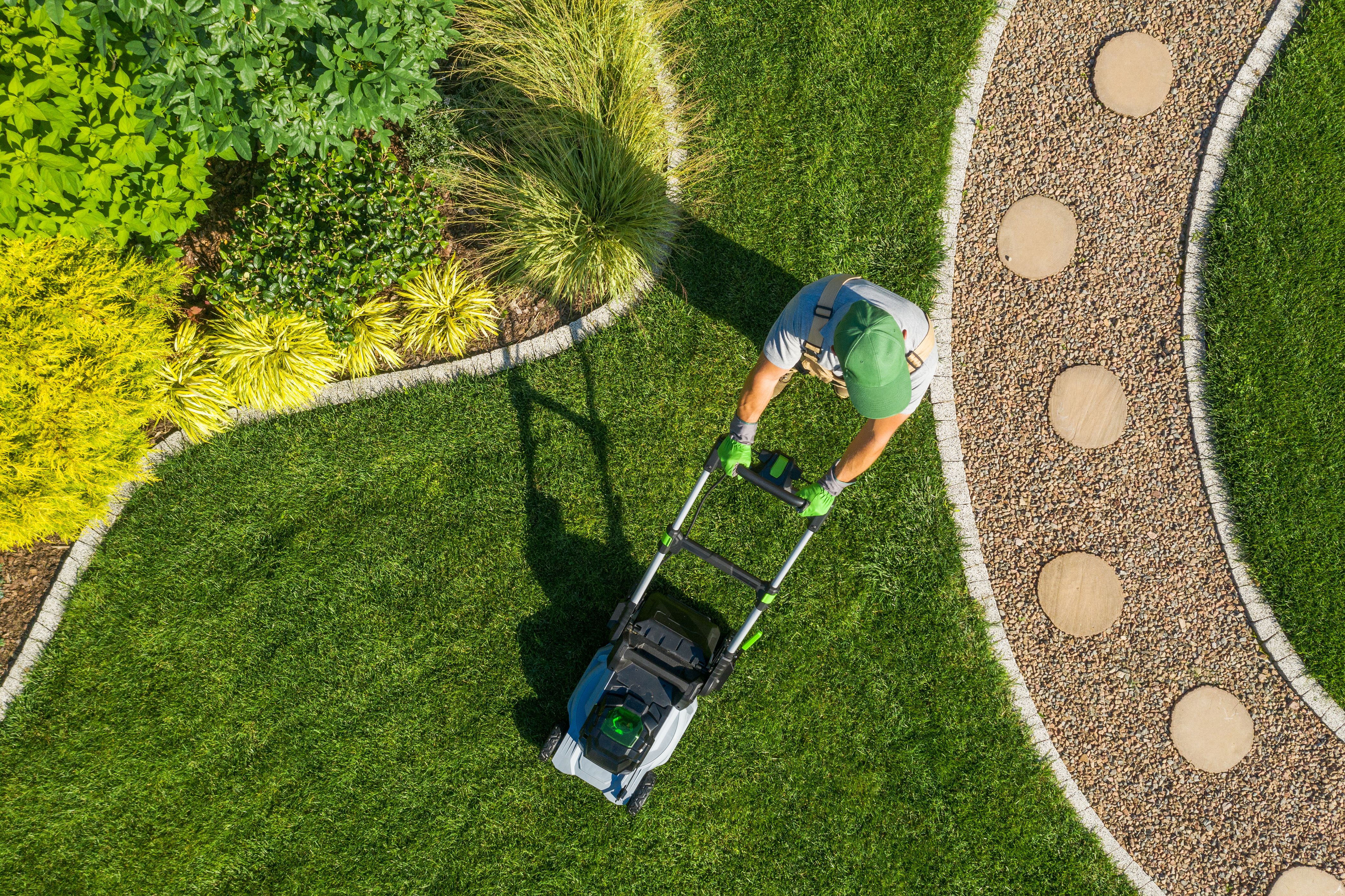
Mowing is more than just keeping the grass short; it's about promoting healthy growth. Always use a sharp mower blade to prevent tearing the grass, which can lead to disease. Mow your lawn regularly, but avoid cutting more than one-third of the grass height at a time to reduce stress on the plants.
Adjusting Mowing Height
The ideal mowing height varies by grass type. For example, Bermuda grass thrives when mowed to about 1-1.5 inches, while Kentucky bluegrass prefers a height of 2-3 inches. Adjust your mower to the appropriate height for your grass type to ensure optimal health.
Watering Wisely
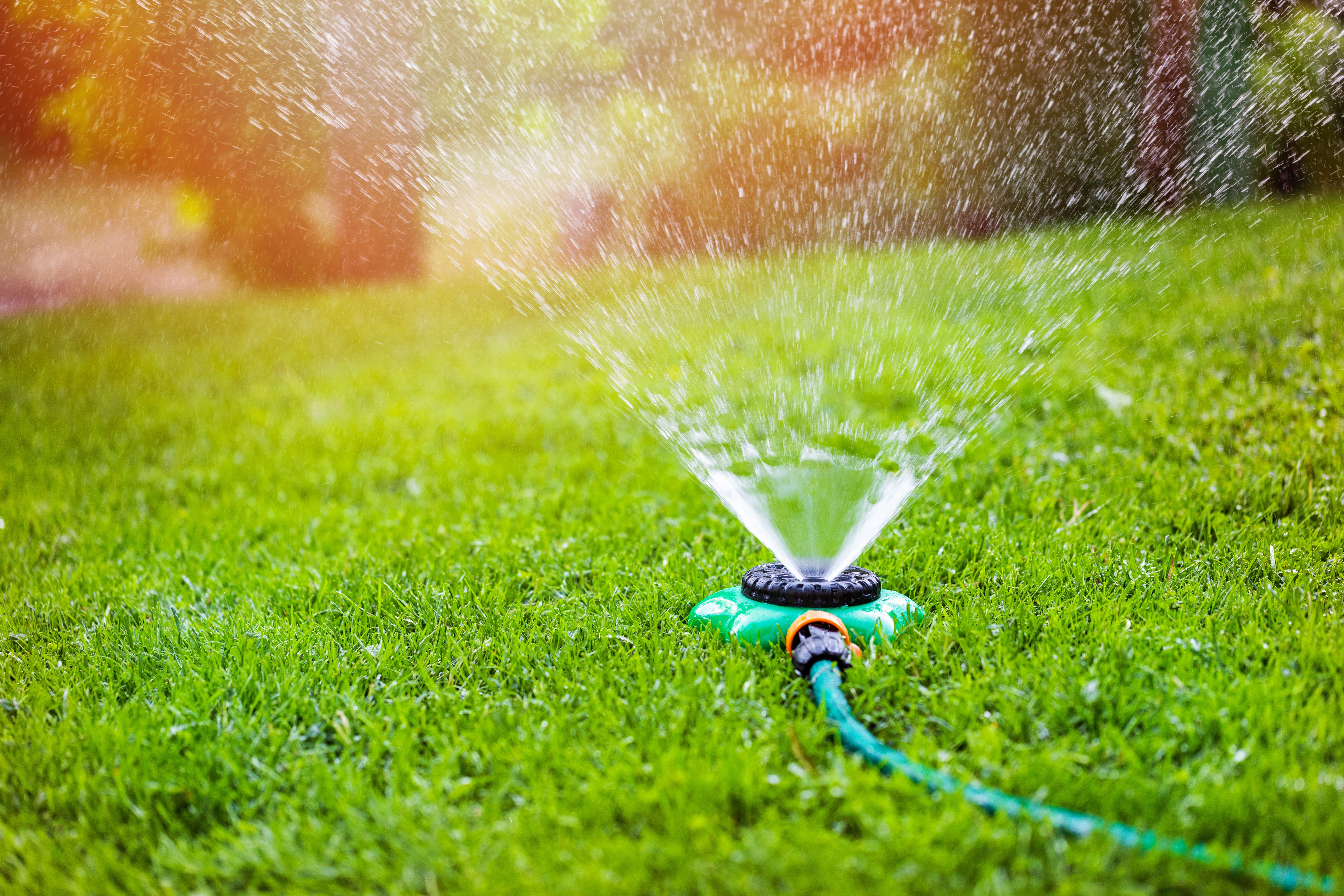
Proper watering is crucial for a lush lawn. Water deeply but infrequently to encourage deep root growth. Typically, lawns require about 1 inch of water per week, including rainfall. It's best to water early in the morning to minimize evaporation and fungal growth.
Signs of Under-Watering
Monitor your lawn for signs of drought stress, such as a bluish-gray tint or footprints that remain visible. If these signs occur, it's time to increase your watering schedule.
Fertilization and Weed Control
Regular fertilization provides the nutrients your grass needs to stay healthy and vibrant. Choose a fertilizer that matches your grass type and follow the recommended application schedule. Generally, lawns benefit from fertilization in early spring and fall.
Managing Weeds
Weeds can quickly take over a lawn if not managed properly. Use pre-emergent herbicides to prevent weed seeds from germinating, and spot treat existing weeds with targeted herbicides. A healthy, dense lawn is the best defense against weed invasion.
By following these expert tips, you can maintain a lush, healthy lawn that enhances the beauty of your outdoor space. Regular care and attention will ensure your grass remains vibrant and resilient throughout the seasons.