Myth-Busting: Common Misconceptions About Urban Turf Solutions


Urban turf solutions have gained popularity as a sustainable and aesthetically pleasing option for city landscapes. However, several misconceptions persist, clouding the benefits of these innovative solutions. In this post, we'll debunk some common myths surrounding urban turf, providing clarity for those considering this eco-friendly option.
Myth 1: Urban Turf is Harmful to the Environment
One of the most prevalent myths is that urban turf is detrimental to the environment because it's artificial. In reality, modern urban turf solutions are designed with sustainability in mind. Many are made from recycled materials and are fully recyclable themselves. Moreover, they help conserve water, reduce pesticide use, and lower carbon emissions by eliminating the need for gas-powered mowers.
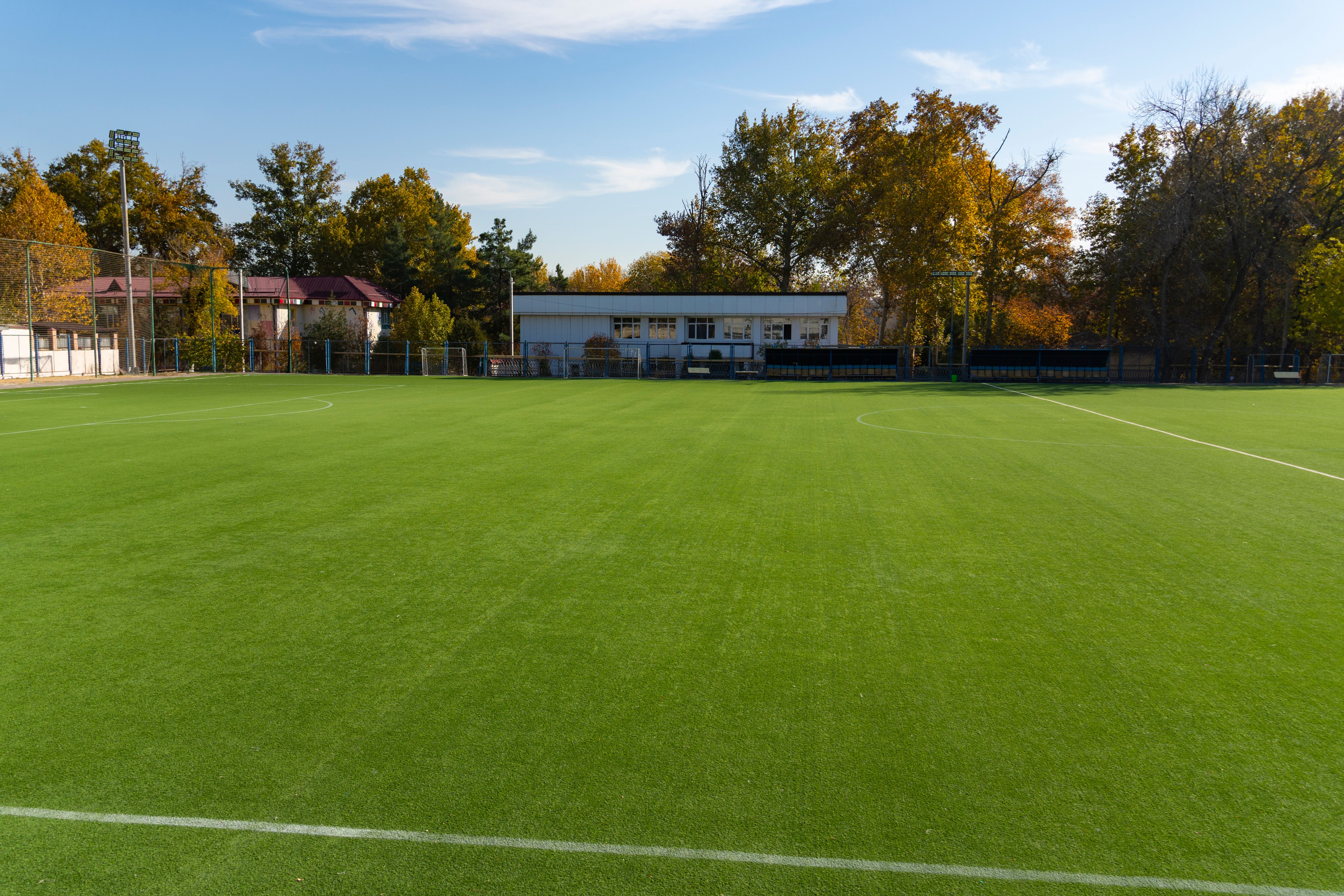
Eco-Friendly Materials and Production
Manufacturers are increasingly focused on creating turf that minimizes environmental impact. Utilizing materials like recycled plastics and producing turf in energy-efficient facilities are just a couple of ways the industry is reducing its carbon footprint. The result is a product that's not only environmentally responsible but also durable and long-lasting.
Myth 2: Urban Turf Looks Fake and Unattractive
Another misconception is that artificial turf looks unnatural. Thanks to technological advancements, modern turf is designed to closely mimic the appearance and texture of natural grass. It comes in various shades and lengths to suit different aesthetic preferences, making it a versatile choice for urban landscapes.
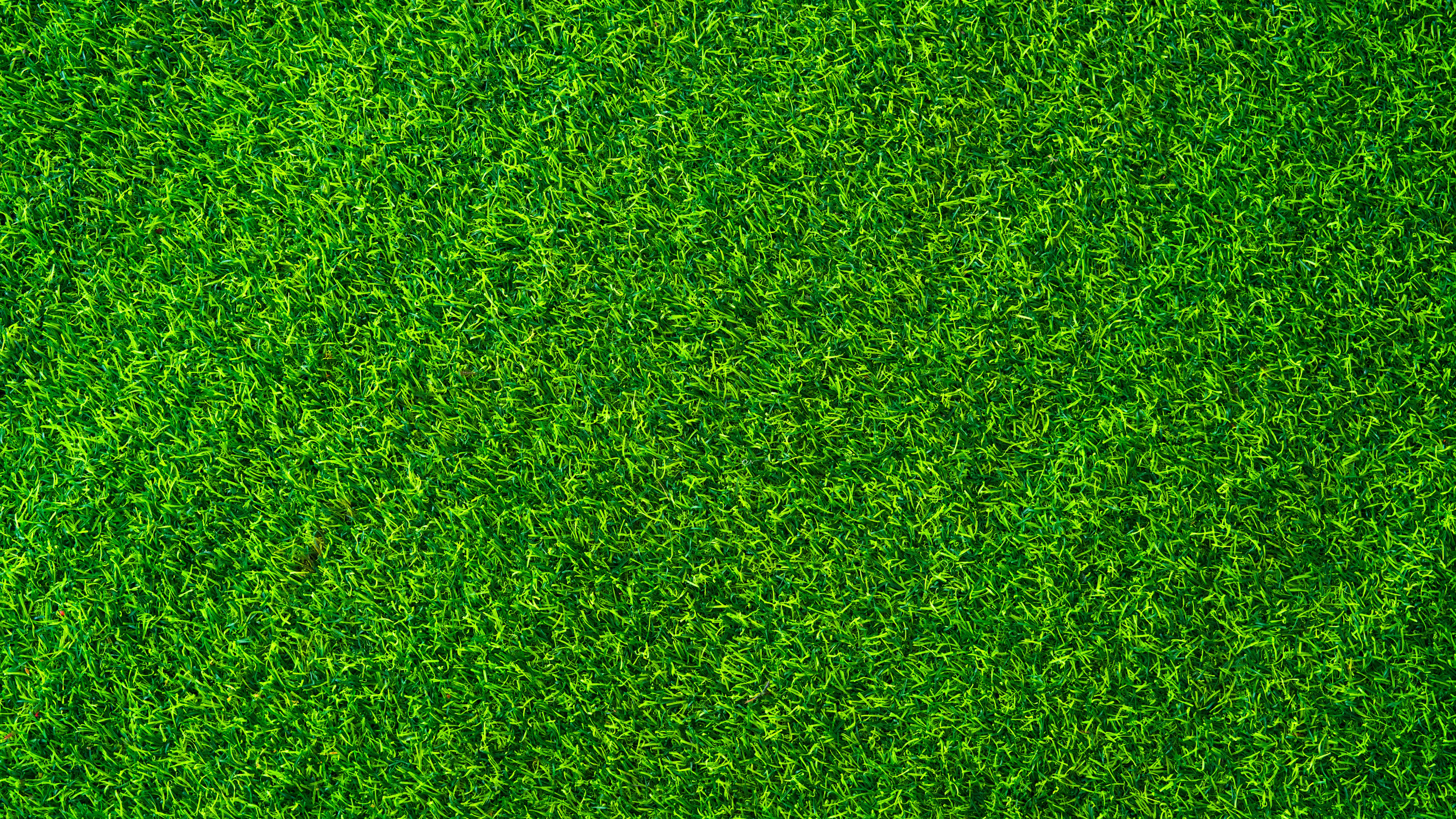
Customizable Aesthetics
Urban turf solutions offer a wide range of customization options. Whether you prefer a lush, green lawn or a more muted, natural look, there's a turf solution to match. The ability to choose different styles and colors ensures that urban turf can blend seamlessly with any environment, enhancing the visual appeal of city spaces.
Myth 3: Urban Turf is High Maintenance
Contrary to popular belief, urban turf requires significantly less maintenance than natural grass. With no need for mowing, watering, or fertilizing, it saves both time and resources. The minimal upkeep required makes it an ideal option for busy urban residents and city planners seeking low-maintenance landscaping solutions.
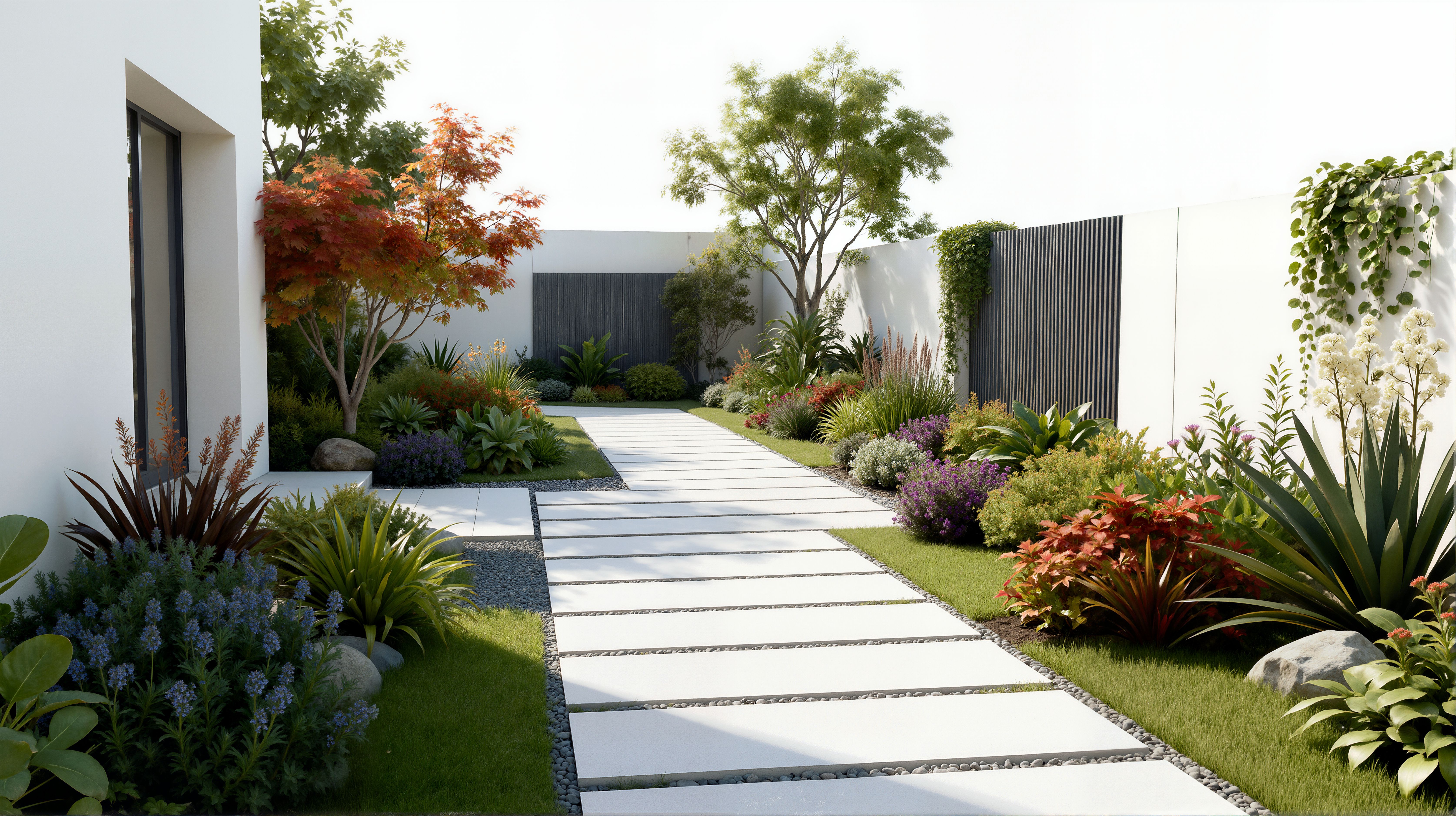
Simple Upkeep
Maintaining urban turf is straightforward. Occasional rinsing to remove dust and debris is typically all that's needed. Some types of turf may benefit from periodic brushing to keep the fibers upright, but overall, the effort required is minimal compared to traditional lawns.
Myth 4: Urban Turf is Not Cost-Effective
While the initial investment in urban turf may seem high, it's important to consider the long-term savings. Without the ongoing costs of watering, fertilizing, and lawn care services, urban turf can be more economical over time. The durability and longevity of high-quality turf further enhance its cost-effectiveness.
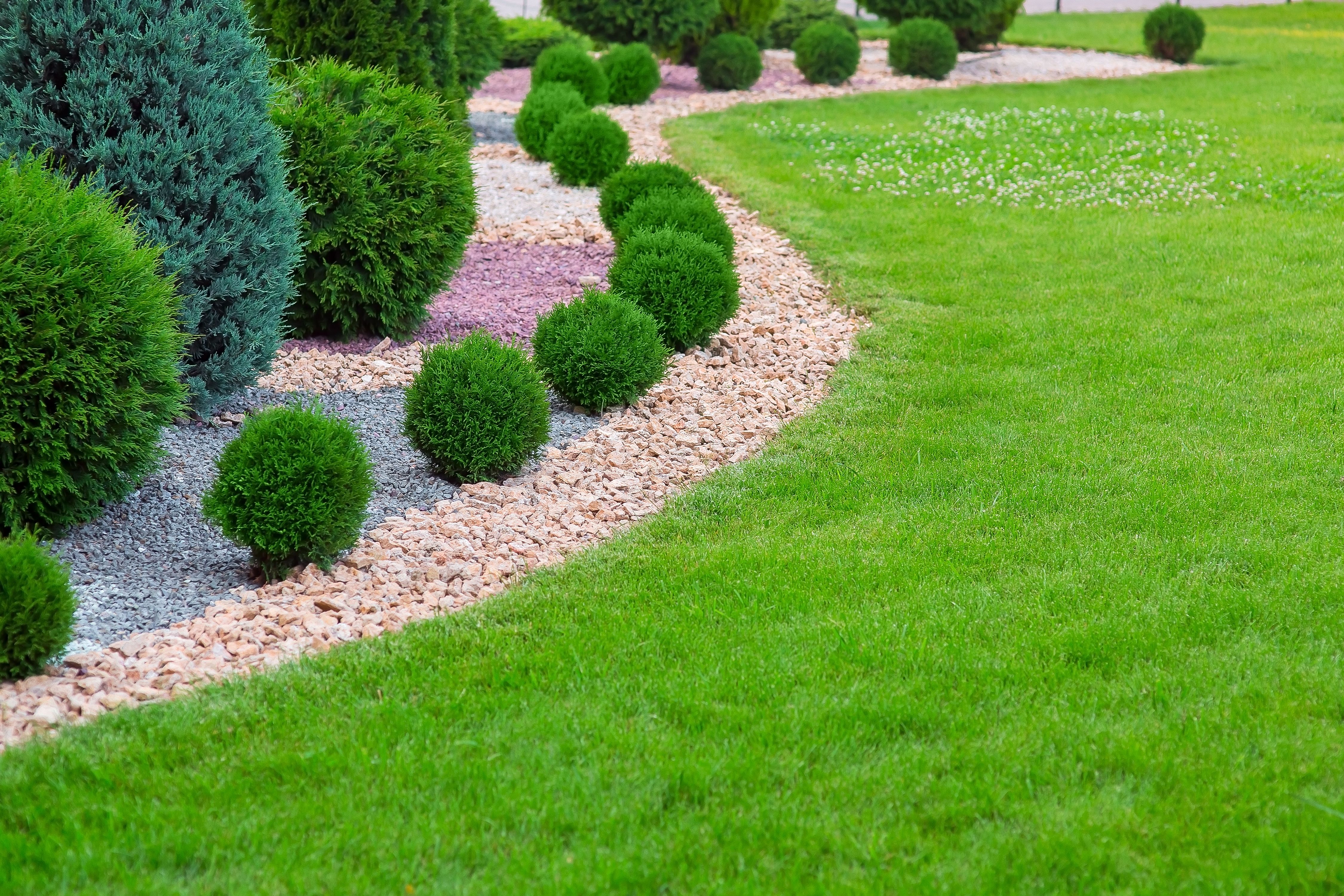
Long-Term Savings
Investing in urban turf can lead to substantial savings. By eliminating the need for regular lawn maintenance, homeowners and city planners can allocate resources to other important projects. The reduction in water usage alone represents a significant financial and environmental benefit.
In summary, urban turf solutions offer numerous advantages that are often overshadowed by misconceptions. By understanding the truth behind these myths, individuals and communities can make informed decisions that benefit both their landscapes and the environment. Consider urban turf as a viable option for sustainable and beautiful city living.