Preparing Your Garden for Spring: Tips for Michigan Residents


Understanding Michigan's Climate
Michigan's climate can be quite unpredictable, with late snowfalls and sudden temperature drops even in early spring. It's crucial to keep an eye on the weather forecasts and be prepared to adjust your gardening plans accordingly. Typically, Michigan gardeners begin their spring preparations in late March to early April, but this can vary depending on the year.
Soil Preparation
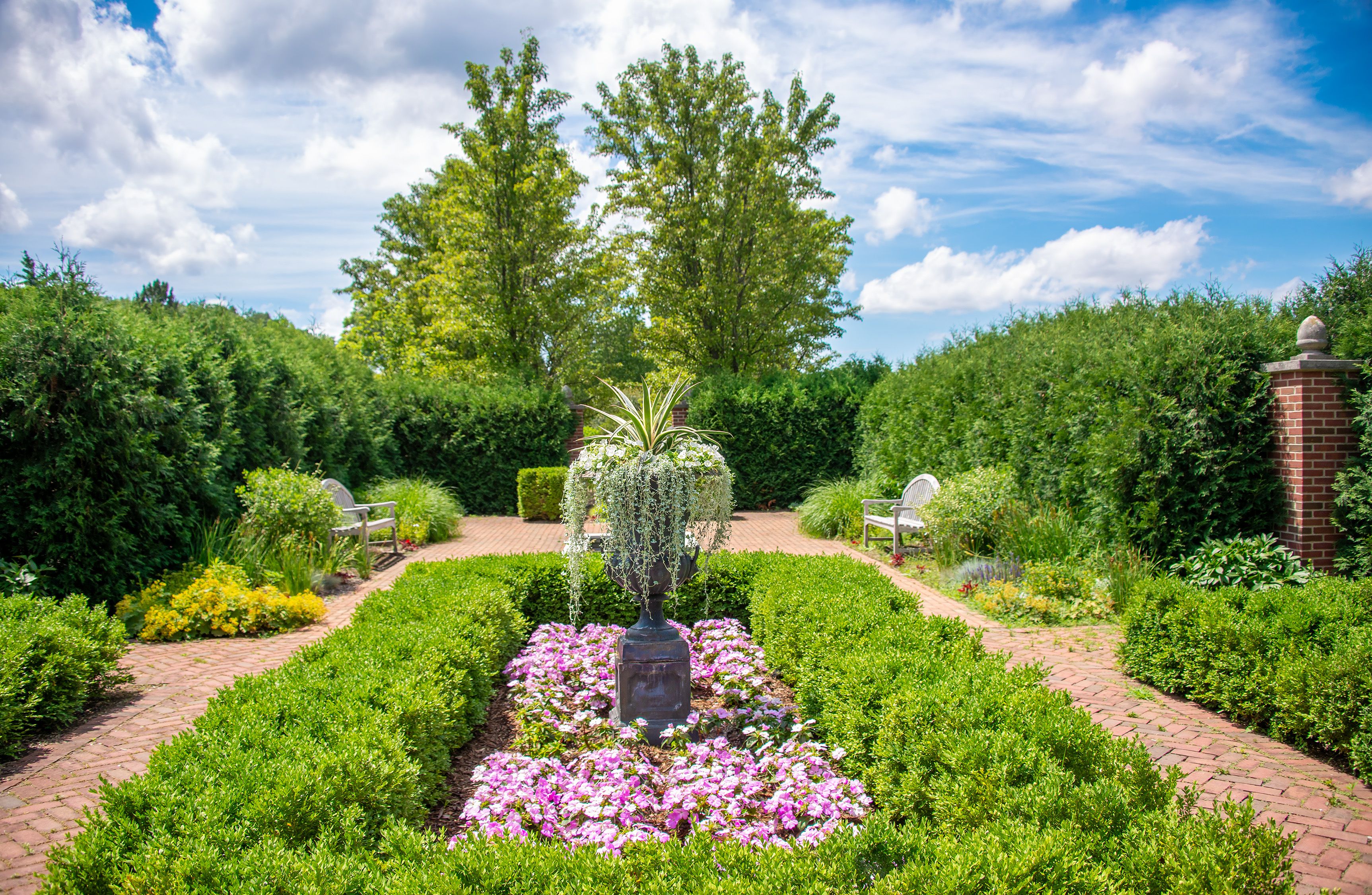
One of the first steps in preparing your garden is to check the condition of your soil. Start by clearing any debris, such as fallen leaves and dead plants, from your garden beds. This not only makes your garden look tidy but also prevents pests and diseases from taking hold. Next, consider getting a soil test to determine the pH and nutrient levels. This information will help you decide what amendments your soil may need.
After testing, add organic matter like compost or well-rotted manure to enrich the soil. This improves soil structure and provides essential nutrients for your plants. Use a garden fork or tiller to work the organic matter into the top few inches of the soil, ensuring even distribution.
Choosing the Right Plants
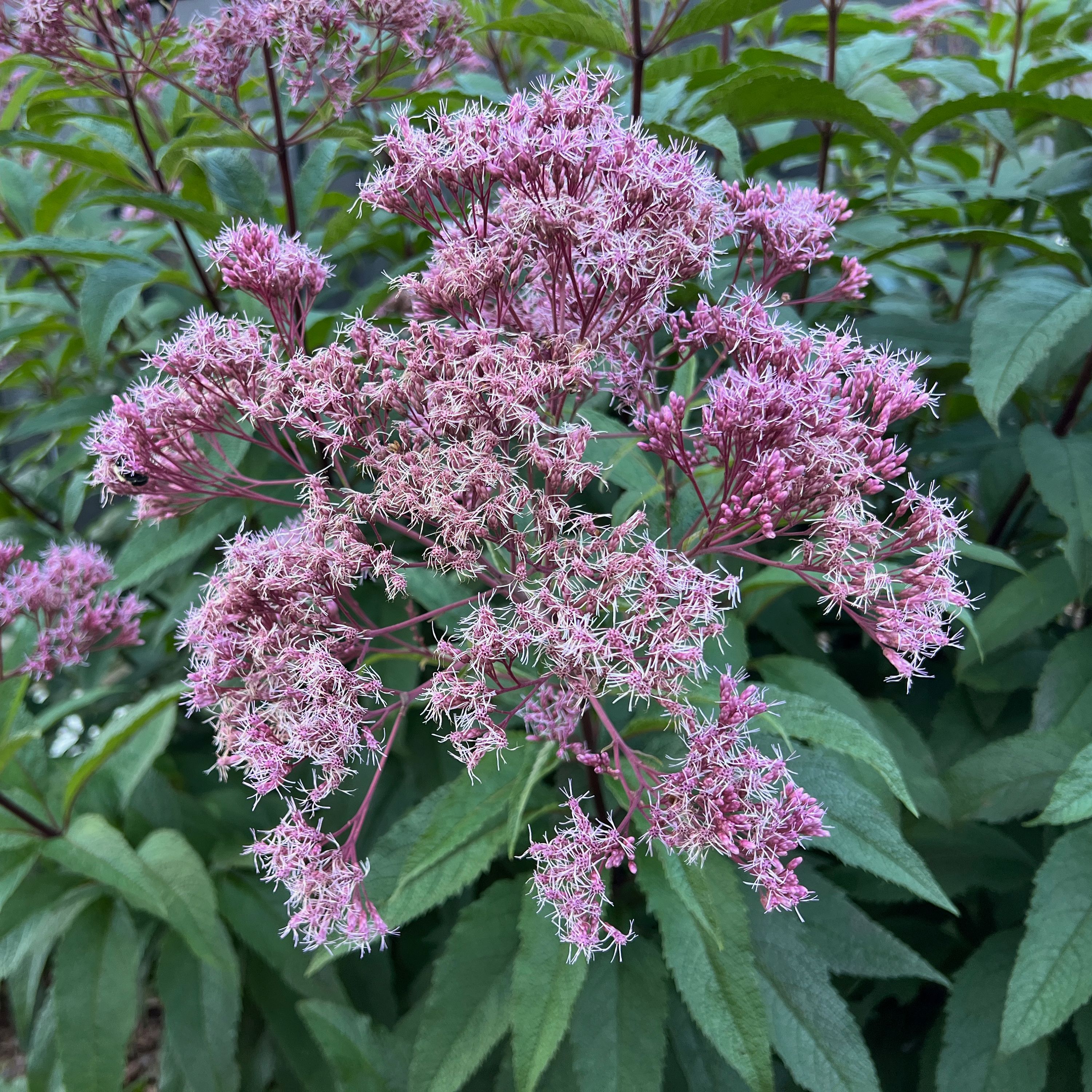
When selecting plants for your Michigan garden, consider native species or those well-adapted to the local climate. These plants are more likely to thrive and require less maintenance. Some popular choices include coneflowers, black-eyed Susans, and various types of ferns.
It's also a good idea to plan your garden layout. Consider grouping plants with similar water and sunlight requirements together. This will make it easier to care for them and ensure they grow successfully. Remember to leave enough space between plants for air circulation, which helps prevent disease.
Starting Seeds Indoors
If you're eager to get a head start, consider starting some seeds indoors. Tomatoes, peppers, and herbs like basil are excellent candidates for indoor sowing. Use seed trays or small pots filled with a high-quality seed-starting mix, and place them in a warm, sunny spot.
Keep the soil consistently moist but not waterlogged, and be patient. Once the seedlings have grown strong enough and the threat of frost has passed, they can be transplanted outdoors. This usually happens around mid to late May in Michigan.

Consider Watering Needs
As the weather warms up, it's important to establish a watering routine. Early spring can be wet, so be sure to check the soil moisture before watering. Overwatering can lead to root rot and other issues. Installing a rain gauge can help you monitor rainfall and adjust your watering schedule accordingly.
Consider using mulch to retain soil moisture and suppress weeds. A 2-3 inch layer of organic mulch around your plants can make a significant difference in maintaining a healthy garden.
Pest and Disease Management
Spring is a time when many pests and diseases become active. Regularly inspect your plants for signs of trouble, such as holes in leaves or discolored spots. Early detection can prevent minor issues from becoming major problems.
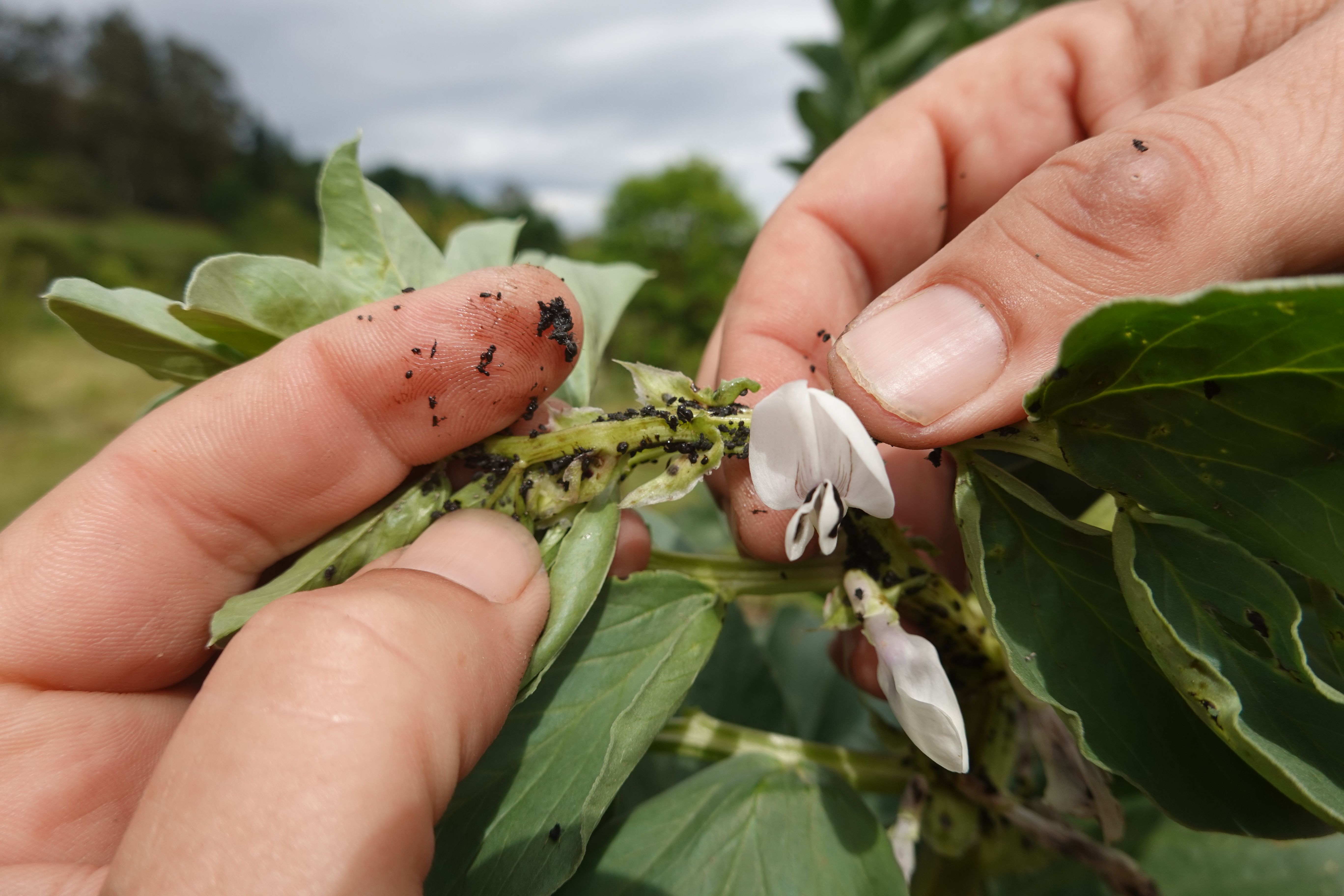
Implementing integrated pest management (IPM) strategies can be effective. This includes encouraging beneficial insects, using organic pesticides when necessary, and maintaining good garden hygiene. By taking these steps, you can keep your plants healthy and productive throughout the growing season.