Smart Irrigation Systems for Lawns: Latest Trends You Need to Know


Introduction to Smart Irrigation Systems
As water conservation becomes increasingly important, smart irrigation systems for lawns are gaining popularity. These innovative systems offer efficient solutions for maintaining lush, green lawns while minimizing water usage. With the advancement of technology, smart irrigation systems have evolved to include features that cater to various needs, making them an essential tool for homeowners and landscapers alike.
Weather-Based Irrigation
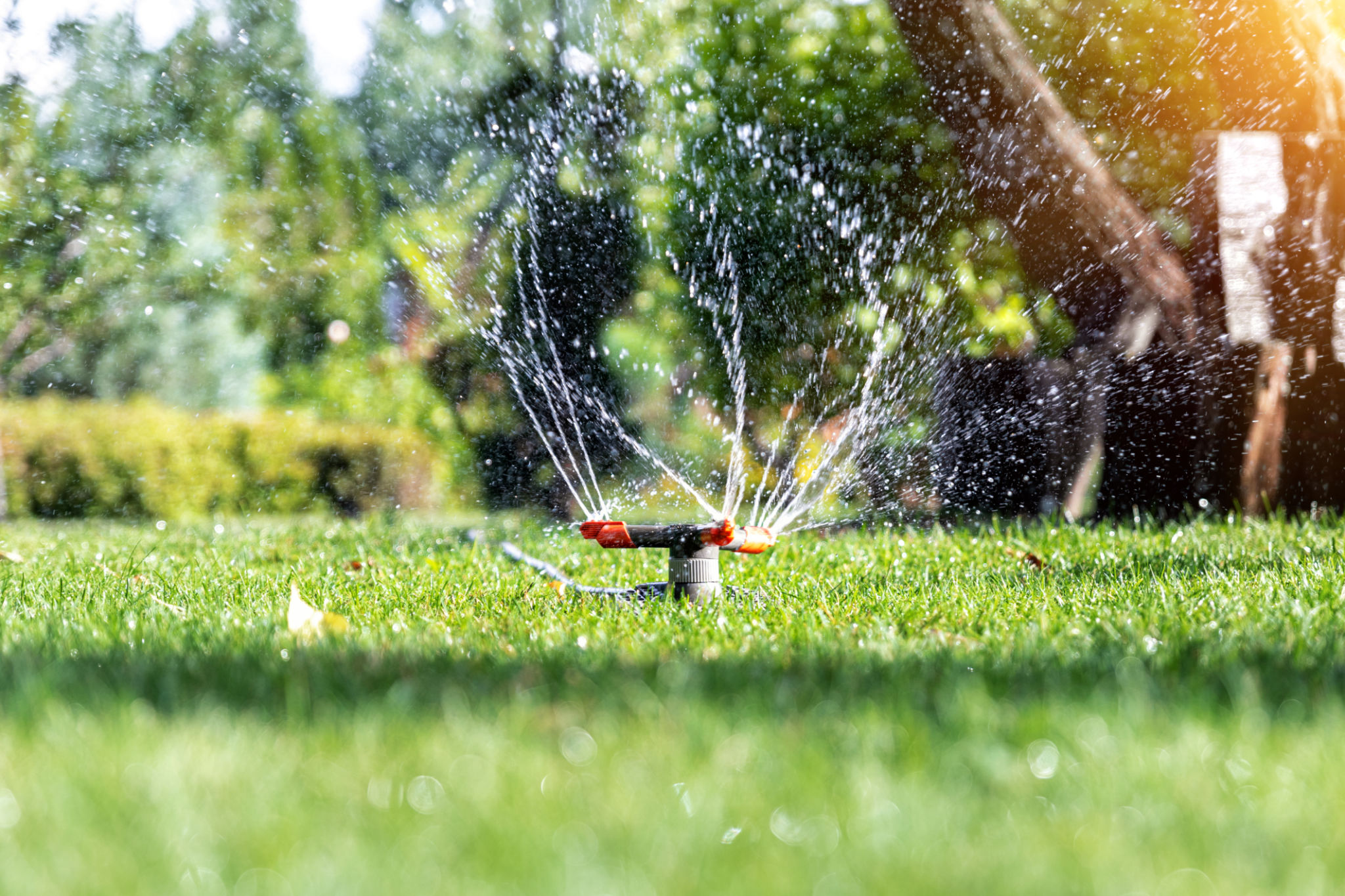
One of the latest trends in smart irrigation systems is the integration of weather-based controls. These systems adjust watering schedules based on real-time weather data, ensuring that your lawn receives the right amount of water. By taking into account factors such as rainfall, temperature, and humidity, weather-based irrigation systems help prevent overwatering and reduce water waste.
Additionally, many of these systems are equipped with sensors that monitor soil moisture levels. This allows for a more precise watering schedule, tailored to the specific needs of your lawn. As a result, homeowners can enjoy healthier lawns while conserving water.

App-Controlled Systems
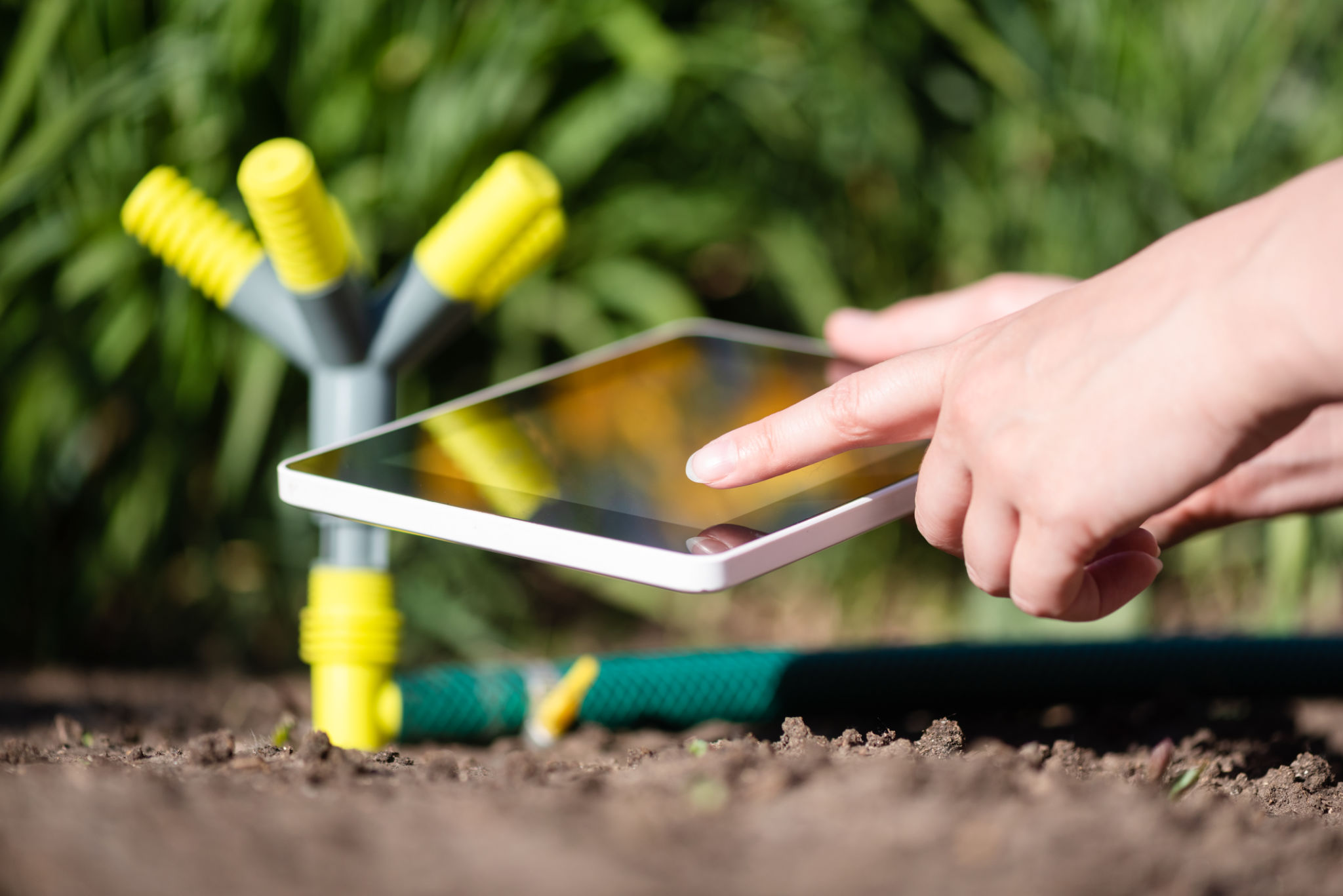
Smart irrigation systems now often come with mobile apps, allowing users to control their lawn care remotely. These apps provide an intuitive interface where users can set schedules, monitor water usage, and receive alerts. This convenience ensures that homeowners can manage their irrigation systems from anywhere, at any time.
Moreover, app-controlled systems often include personalized recommendations based on your lawn's specific requirements. This customization ensures that your lawn remains healthy, even if you're away on vacation or busy with other tasks.
Integration with Smart Home Ecosystems
Another trend is the integration of smart irrigation systems with broader smart home ecosystems. By connecting to popular platforms like Amazon Alexa or Google Home, users can control their irrigation systems using voice commands. This seamless integration enhances the user experience, making lawn care more accessible and efficient.
Furthermore, smart home integration opens up possibilities for automation. For instance, your irrigation system can be programmed to water the lawn at optimal times, such as early morning or late evening, when evaporation rates are low.
Water-Saving Technologies
Many smart irrigation systems now include advanced water-saving technologies. Features such as drip irrigation and precision nozzles ensure that water is delivered directly to the root zone of plants, minimizing runoff and evaporation. This targeted approach not only conserves water but also promotes healthier plant growth.
Some systems also offer leak detection capabilities, alerting users to potential issues before they become major problems. By identifying leaks early, homeowners can prevent water waste and reduce their utility bills.

Conclusion
Smart irrigation systems represent a significant advancement in lawn care technology. By incorporating features such as weather-based controls, app integration, and water-saving technologies, these systems offer a modern solution to traditional irrigation challenges. As more homeowners embrace these innovations, the future of lawn care looks both sustainable and efficient.
For those looking to invest in smart irrigation, understanding these trends can help in selecting the right system for your needs. With the right technology, maintaining a beautiful and environmentally friendly lawn is now easier than ever.