Why Sustainable Landscaping is the Future: Insights from Industry Experts


Understanding Sustainable Landscaping
Sustainable landscaping is rapidly becoming the new standard for gardens and outdoor spaces, focusing on practices that are environmentally friendly and resource-efficient. It incorporates the use of native plants, water conservation techniques, and eco-friendly materials to create landscapes that are both beautiful and beneficial to the environment.
Industry experts emphasize that sustainable landscaping is not just a trend but a necessary shift towards reducing our ecological footprint. By choosing sustainable practices, we can help mitigate climate change, promote biodiversity, and preserve natural resources for future generations.
The Benefits of Native Plants
One of the core principles of sustainable landscaping is the use of native plants. These plants are naturally adapted to the local climate and soil conditions, requiring less water, fertilizer, and maintenance compared to non-native species. This not only reduces resource consumption but also supports local wildlife by providing habitats and food sources.
Experts suggest that native plants can help restore the natural balance of ecosystems, promoting biodiversity and resilience against pests and diseases. Additionally, native gardens often thrive with minimal intervention, making them an ideal choice for those looking to create a low-maintenance landscape.

Water Conservation Techniques
Water conservation is a critical component of sustainable landscaping. With increasing water scarcity in many regions, efficient water use in gardens and landscapes is more important than ever. Techniques such as drip irrigation, rainwater harvesting, and the use of drought-tolerant plants can significantly reduce water usage.
Implementing these practices not only conserves water but also lowers utility bills and reduces the environmental impact of excessive water consumption. As many industry experts point out, creating a landscape that thrives on natural rainfall is a key step towards sustainability.

The Role of Eco-Friendly Materials
Choosing eco-friendly materials for landscaping projects is another essential aspect of sustainable landscaping. Recycled materials, such as reclaimed wood, stone, and composite decking, can minimize resource extraction and reduce waste.
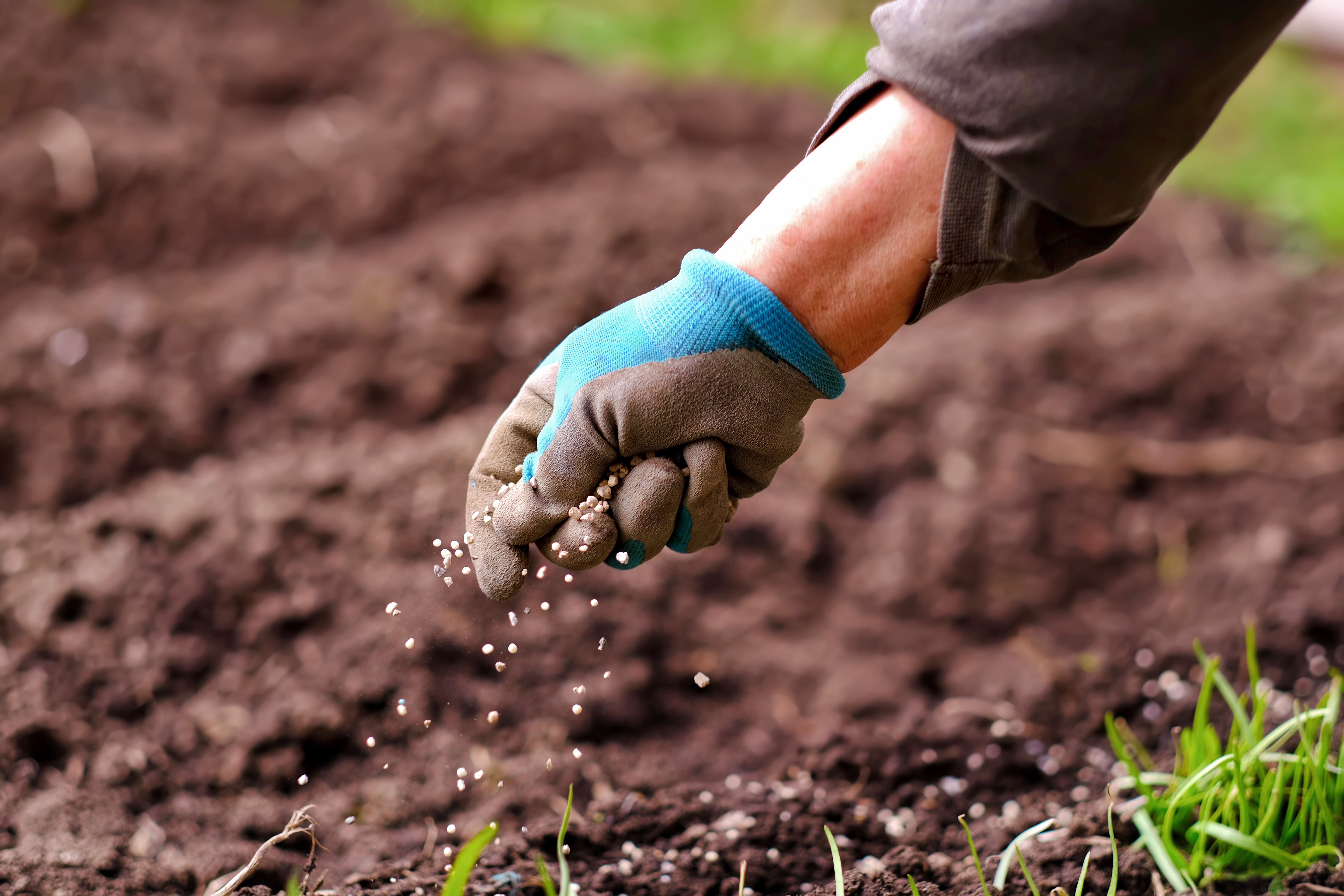
Furthermore, using organic fertilizers and pest control methods helps maintain soil health and prevent chemical runoff into waterways. Experts recommend opting for biodegradable and non-toxic options to ensure the safety of both humans and the environment.
The Future of Landscaping
The shift towards sustainable landscaping is not just beneficial for the environment but also offers economic advantages. By reducing resource consumption and maintenance costs, homeowners and businesses can achieve long-term savings.
As awareness of environmental issues continues to grow, the demand for sustainable landscaping solutions is expected to rise. Industry leaders believe that embracing these practices will be crucial for the future of landscaping, paving the way for healthier and more sustainable communities.

Conclusion
Sustainable landscaping is the future—a necessary evolution in the way we design and maintain outdoor spaces. By embracing native plants, conserving water, and using eco-friendly materials, we can create landscapes that are not only beautiful but also environmentally responsible.
Industry experts agree that sustainable landscaping is a powerful tool in combating climate change and preserving our planet for future generations. As more people adopt these practices, we move closer to a more sustainable and harmonious relationship with the natural world.